When you raise your voice at your cat, have you ever paused to consider what is happening in their mind? Many cat owners find themselves in situations where they react with frustration — maybe their feline companion has knocked something off the counter for the umpteenth time or has decided to scratch the couch once again. But what often goes unnoticed is the profound impact that shouting has on a cat’s psyche. In reality, when you yell, your cat doesn’t interpret your words as a corrective measure; they perceive a threat, and continual outbursts may quietly shatter their trust in you, something that is challenging to rebuild.
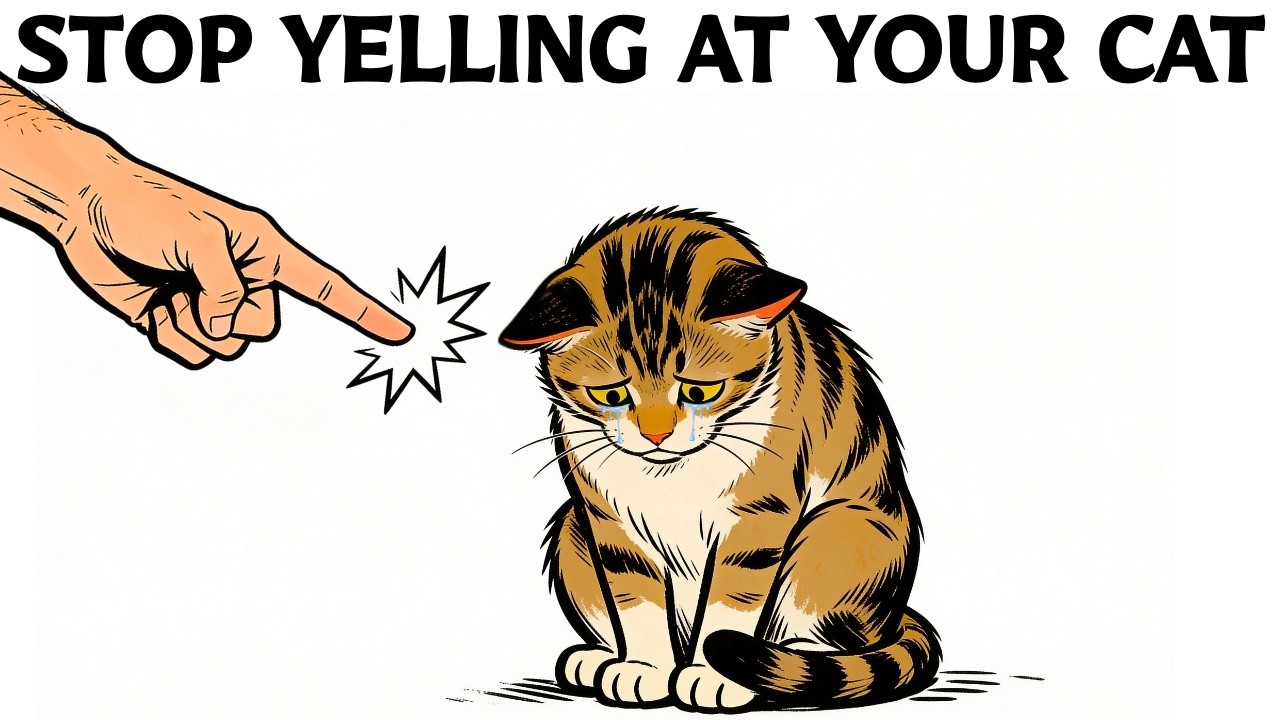
First, let’s explore how your voice is perceived by a cat. To them, your voice can sound alarmingly loud and aggressive, akin to that of a predator. Cats possess an extraordinary hearing range, capable of detecting frequencies up to 64,000 hertz. This is nearly three times higher than the upper limit of human hearing, leading their ears to become finely tuned to detect even the faintest sounds, such as the subtle rustling of a mouse in the grass. So when you suddenly raise your voice, particularly in a quiet environment, it isn’t merely loud for them; it resonates like an overwhelming shockwave. What you consider a firm “no” can resonate as a terrifying thunderclap in their ears, something they are not biologically equipped to manage at such close range.

Moreover, the issue with yelling goes deeper than mere inability to communicate through loud tones. Cats do not possess an understanding of punishment. Research from veterinary behaviorists shows that when you raise your voice, your cat is unlikely to connect your anger with the preceding action. They don’t register that you’re upset about a specific behavior; instead, they simply recognize you, the person they depend on, as the source of fear. This results in confusion without the desired corrective effect. Instead of learning what they did wrong, they internalize a sense of anxiety and uncertainty about their environment. This feeling can linger, affecting their long-term behavior and emotional state.
The consequences of this form of communication are particularly evident in the invisible barriers that can form between you and your cat. Have you ever noticed that your cat has begun to keep their distance, observing you from across the room rather than curling up beside you or greeting you at the door? Many owners dismiss this change as an aspect of their cat’s naturally independent personality, failing to understand that if there has been a shift in a cat’s behavior — especially if they used to be more affectionate — then likely something has changed in your interactions.
Cats establish trust through routine and consistency. Every calm exchange, every gentle word, and every predictable encounter reinforces a message that says, “You are safe.” Conversely, using a raised voice disrupts that message, creating unpredictability in their environment. For a cat, unpredictability can quickly erode the bond you share. From their perspective, if one moment everything feels safe, the next moment the loudest sound in the room is coming directly from you, a being they rely on, it can lead them to make a quiet but significant decision: to withdraw. They begin to halt interactions. They continue to live in your home but emotionally, they start to become distanced. Veterinary behaviorists often refer to this phenomenon as learned avoidance, where cats aren’t being stubborn or unfriendly; they’re instinctively taking protective measures for their own well-being.
The subtlety of these changes can be heartbreaking. An owner may not immediately notice a decrease in head bumps or slow blinks until, one day, it dawns on them that their cat hardly interacts anymore. They may struggle to recall when the change first began. If this realization is striking a chord, it’s crucial to recognize the importance of how your voice impacts your cat’s emotional security.
Next, consider the way emotional stress manifests in a cat’s body. Many people believe that stress in cats presents in dramatic ways — through hissing, hiding, or fleeing. While these behaviors may sometimes occur, chronic stress, which builds up over time from repeated yelling, often surfaces in subtle, unrecognized forms. Perhaps your cat begins to eat less, develops a habit of over-grooming, or starts misusing the litter box even without any changes to their environment. These are not random quirks; they are valid stress responses that have been documented by veterinary behaviorists in cats living in tense or unstable atmospheres.
When a cat endures persistent stress, their body releases cortisol, a hormone that, while necessary in small amounts for handling real danger, can have detrimental effects when elevated over the long term. Continued exposure to stress results in chronic elevation of cortisol levels, leading to weakened immune function, digestive problems, and even painful urinary conditions like feline idiopathic cystitis. This condition, previously thought to be linked solely to infections, is increasingly associated with emotional distress. If your cat appears to be acting out, it may well reflect their body’s attempt to cope with an environment that never allows them to relax fully.
So, what can you do instead? What if the most effective approach to correcting unwanted behavior doesn’t involve raising your voice at all? Many owners instinctively yell out of frustration when their cat misbehaves — knocking something over or playing too aggressively. However, it’s essential to recognize that yelling is more of a reaction than a useful tool for correction.
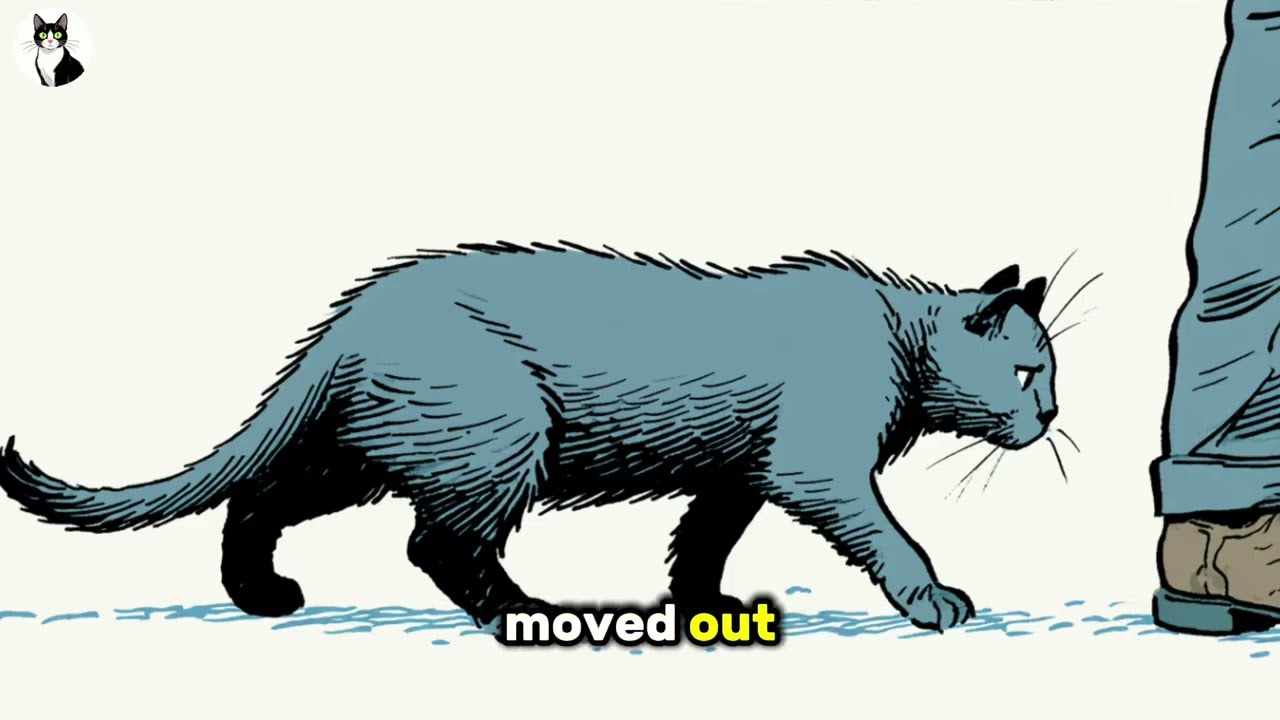
The first step is understanding that cats do not respond to punishment; they react to their environment. For instance, if your cat keeps jumping onto the counter, the solution isn’t to escalate the volume of your objections. Instead, it’s more effective to make the counter less enticing and provide an adequate alternative. A tall cat tree placed near a window or a designated shelf could redirect their curiosity away from the counter.
Secondly, while it’s not necessary to go silent, the tone and demeanor of your voice matter significantly. Cats are attuned to vocal tones that help form their perceptions of safety. A low, steady voice can signal calm and reassurance, while a sharp, sudden tone can indicate danger. You can communicate disapproval in a way that guides rather than frightens. For example, using a gentle tone to convey “Don’t do that” can redirect their behavior without triggering fear.
Finally, consider the power of reinforcing positive behaviors. When your cat chooses to use a scratching post instead of the couch, seize that moment. Offer treats, execute slow blinks, and use a soothing voice to reinforce the behavior you wish to see more of. Cats are more likely to repeat behaviors that result in positive outcomes than to avoid those that might draw punishment. This principle is foundational in feline behavior modification and holds greater efficacy than most punishment-based strategies.
If you find yourself wondering about the damage already done through past outbursts, rest assured that there is hope for healing. Unlike the punitive experiences memorized in a cat’s mind, they possess an emotional memory that emphasizes safety over specific events. Rather than replaying instances of your yelling, your cat is more inclined to remember the feelings associated with those moments. The heart-pounding fear during a raised voice is what lingers, reshaping their perception of you over time.
Cats instinctively categorize experiences and can form long-term emotional associations with people based on interactions. If a cat has been frightened repeatedly by a specific individual, they may withdraw from that person, not out of spite, but as a self-preservation tactic. To a cat, unpredictability implies potential danger.
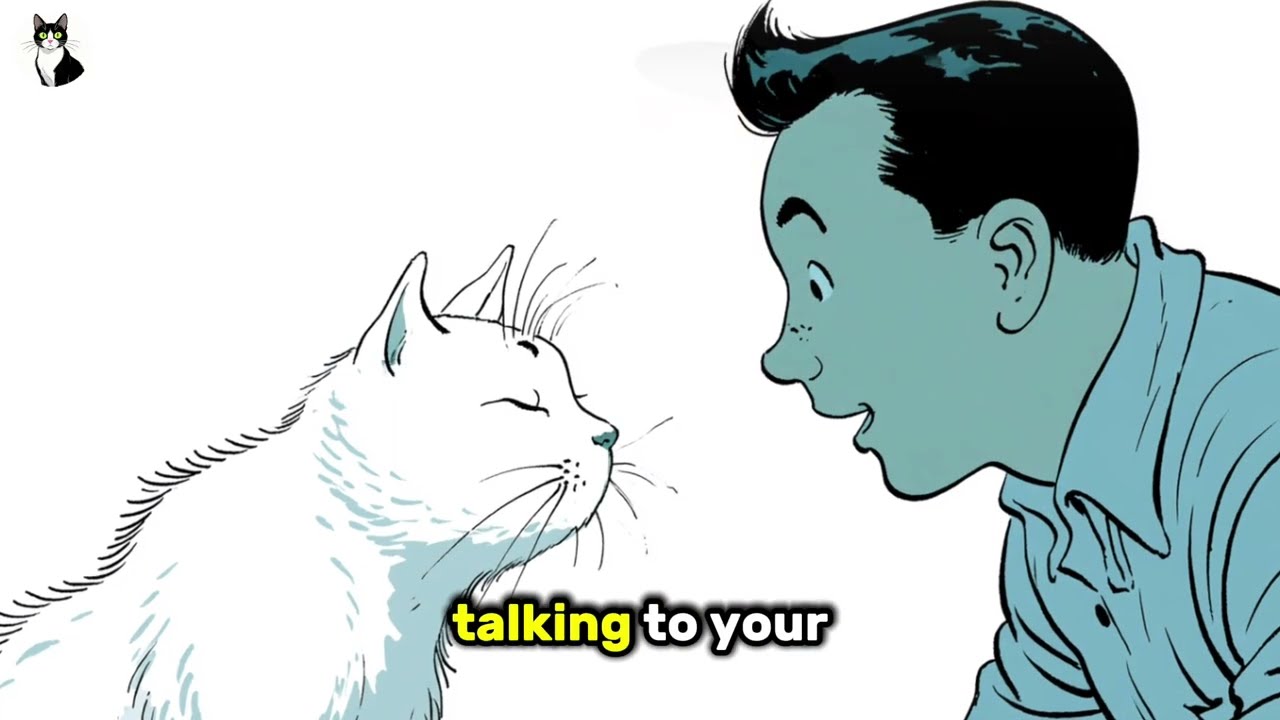
However, you have the unique capacity to change the narrative. Every interaction where you speak softly, spend time near them without demanding attention, or allow them to approach you on their terms layers richer, more positive emotional memories. While your past interactions can’t be erased, consistent positive experiences can build a stronger foundation atop the older negative ones. Cats may not forgive in the human sense, but they can adapt and recalibrate their feelings toward you. If you provide ample and consistent positive reinforcement of your changed behavior, they will gradually begin to trust and engage with you once more, on their own terms.
Therefore, as you reflect on your connections with your feline companions, remember that your voice can hold unimaginable power. It can either build a bridge of trust or erect barriers of fear. Recognizing and adjusting how you communicate can transform not just your cat’s behavior, but the essence of your relationship for the better.