If you are a cat caregiver, there may be behaviors you exhibit that unintentionally harm the trust your cat has in you. A surprising number of caregivers commit at least one of these problematic actions. To enhance the bond you share with your feline companion, it is vital to be aware of these behaviors and address them before they cause irreversible damage. Here are nine everyday things that may quietly drain your cat’s trust in you.

1. Bringing a Dog Into Your Cat’s Territory
Introducing a dog into your home without adequately preparing your cat can significantly disrupt their sense of security. Cats are territorial creatures, and every corner of their environment holds importance for them. The sudden presence of a new animal can lead to increased stress levels. This might manifest in various ways, such as withdrawal, aggression, or even a loss of appetite. To ease this transition, it is essential to introduce the new pet gradually. Allow your cats to become accustomed to the dog’s scent and presence. Keeping them separated initially and promoting brief, controlled encounters can help both parties adjust. Remember, respecting your cat’s boundaries and providing a calm atmosphere is crucial for a positive coexistence.
2. Locking Your Cats in One Room
While it may seem practical at times to confine your cats to a single room, this approach can severely impact their well-being. Cats are naturally curious animals that thrive on exploration, which stimulates their minds and helps release pent-up energy. Limiting their space can result in boredom and anxiety, potentially leading to destructive behaviors. Studies have shown that varied, enriched environments foster emotional balance in cats, helping them feel secure and content. Instead of shutting them away, create areas with toys, scratching posts, and hiding spots so they can roam freely. This diversified environment will not only keep them active and engaged but will also strengthen the bond between you and your cat.
3. Yelling at Your Cats
Raising your voice and yelling at your cats can deeply harm your relationship with them. Cats have acute hearing and can react intensely to loud sounds, which can provoke feelings of fear and insecurity. When your cat associates your presence with stress and tension, it erodes the trust that is essential for a healthy relationship. Instead of resorting to yelling, use calm tones and gentle commands. Communicating in a respectful and patient manner helps establish a safe environment for your cats, ensuring they feel loved and protected. Your mode of communication significantly influences their behavior, so maintain an atmosphere of tranquility and affection.

4. Using Physical Violence Against Your Cats
It may seem unnecessary to address the topic of physical violence, but it’s important nonetheless. Many caregivers mistakenly believe that physical corrections serve to teach cats appropriate behavior. However, resorting to any form of physical punishment can cause lasting trauma and irreparably damage the bond of trust between you and your cat. When cats face aggression, they begin to associate their caregivers with pain and insecurity. This fear-based behavior can lead to defensive reactions, such as scratching and biting. Rather than physical punishments, it is better to employ positive reinforcement techniques, rewarding desired behaviors to foster a healthy learning environment. Every interaction should be an opportunity to reinforce your bond through kindness and respect, ensuring a peaceful and harmonious coexistence.
5. Forcing Your Cats into Your Arms
Another behavior that can severely disrupt the trust between you and your cat is forcing them into your arms. Cats are sensitive creatures that respond negatively to abrupt handling. Forcing contact can trigger feelings of threat and discomfort, leading to defensive behaviors. This experience can become traumatic, complicating future interactions and making care much more difficult. Instead of pressuring your cat into contact, approach them with patience. Use treats and gentle petting to create a secure environment. Let your cat become accustomed to your touch without any discomfort. This method fosters a bond based on mutual respect and affection, ensuring your cat feels safe and protected around you.
6. Using a Travel Carrier That Is Too Small
Traveling with your cat can be a stressful experience, especially if the travel carrier used is inadequate. A cramped carrier can instill feelings of confinement and discomfort for your cat, exacerbating their anxiety during travel. It is crucial to choose a carrier that allows enough space for your cat to move around and settle in comfortably. Just imagine how you would feel stuck in a tiny elevator with no way to escape. Providing a carrier with proper dimensions and ventilation can create a more relaxing atmosphere. Including a soft blanket and familiar toys can further reduce anxiety during travel. Always prioritize your cat’s comfort to ensure they feel safe and secure during trips.
7. Throwing Water on Your Cats
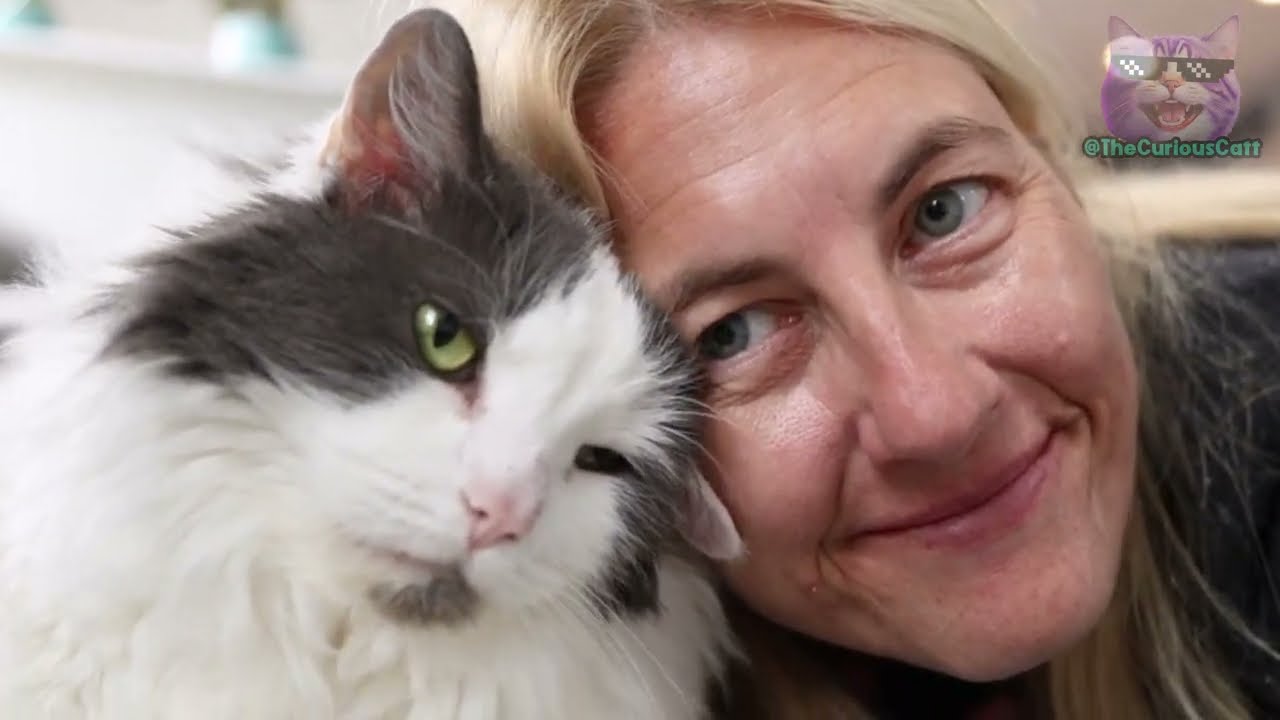
Some caregivers mistakenly believe that throwing water on their cats can correct undesired behaviors. However, this practice is not only ineffective but also extremely harmful. Dousing your cat with water induces shock and fear, which can lead to emotional trauma. Cats inherently dislike water; when subjected to such aversive actions, they may develop lasting aversions that can complicate future interactions. Instead of punishment, focusing on positive reinforcement will yield more favorable results. Creating a trusting and secure environment allows for learning and behavioral improvement without instilling fear. Patience and compassion are vital for maintaining harmony and your cat’s overall well-being.
8. Leaving Your Cats Without Food
Neglecting your cat’s feeding schedule can have dire consequences for their health and behavior. Extended periods without food can cause elevated levels of stress and anxiety in your cat, leading to metabolic and emotional issues. Uncertainty about food availability makes cats feel vulnerable, diminishing their overall sense of security. It is essential to establish a regular feeding routine with balanced portions that fulfill their nutritional needs. Offering meals at fixed times creates a sense of reliability and reinforces the bond you share. Nutrition is one of the foundational pillars of a healthy and balanced life for your feline companions. Care for your cats with attention and love, ensuring their dietary needs are consistently met.
9. Abandoning Your Cats
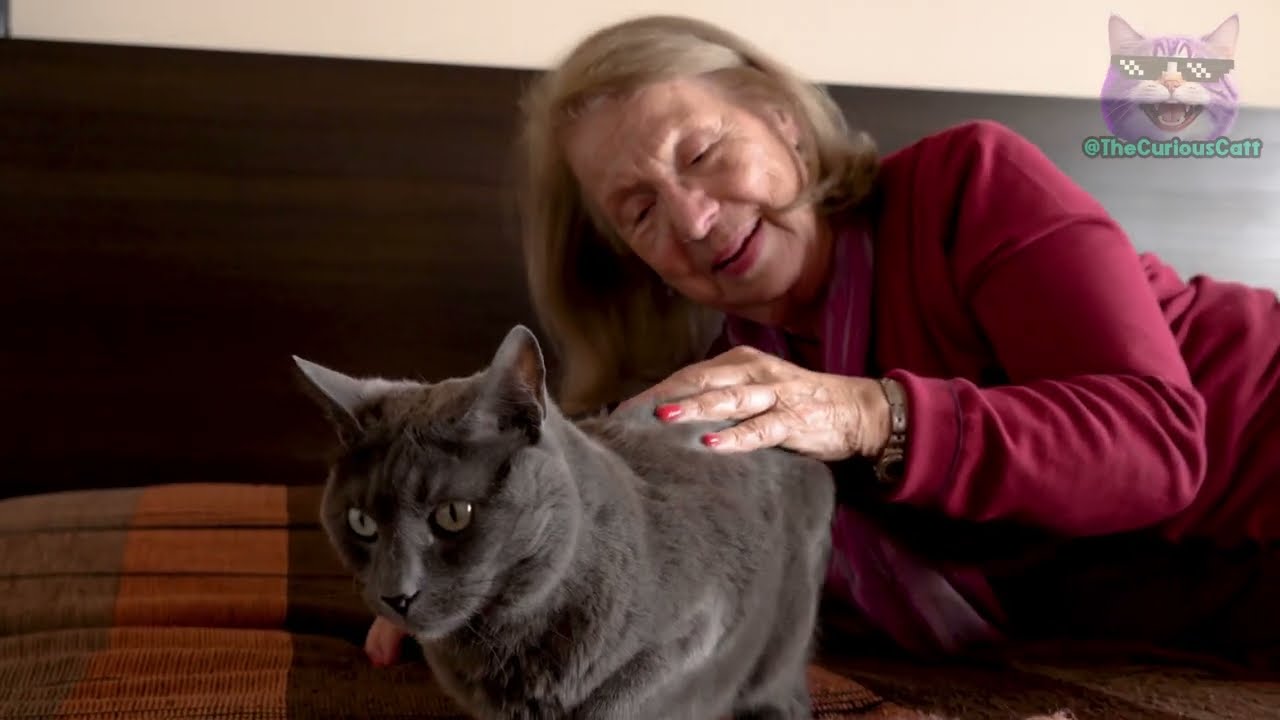
One of the most alarming behaviors that caregivers can exhibit is abandoning their cats. While it may appear obvious, statistics reveal that cat abandonment is a widespread issue worldwide. Abandonment is perhaps one of the most damaging actions a caregiver can take, as it breaks the bond of love and care that sustains your relationship. Left alone without the necessary attention and protection, cats experience emotional turmoil and may develop behavioral and health problems. The feelings that arise from abandonment—such as insecurity, sadness, and fear—intensify their distrust in humans. It’s vital to recognize that adopting a cat is a lifelong commitment; you must provide continuous care filled with affection. Instead of giving up on challenges, seek solutions by consulting specialists or engaging with support communities. Your cats rely on you for a home filled with love, ensuring they feel valued and protected.
In conclusion, the behaviors discussed in this article may not seem harmful at first glance, yet they can significantly affect your cat’s trust in you. By being mindful of these everyday actions, you can cultivate a more trusting and loving relationship with your feline companion. Cats may not always express their feelings openly, but being attuned to their needs and sensitivities goes a long way in fostering a harmonious living environment. Care for your cats with love, attention, and understanding—because they genuinely deserve the best.