Every morning, as you pour dry food into your cat’s bowl, do you stop to consider what that food is actually doing to your furry friend’s body? While it’s undoubtedly convenient and affordable, and while your cat may seem to love it, the reality is that what’s happening inside them can be alarming. The impact of dry food goes beyond mere nutrition and can affect your cat’s overall health in ways that many owners never realize. If you continue to feed your cat the way most people do, you might unintentionally be cutting years off the life of a pet that relies on you for its well-being. Here’s a closer look at what really occurs every time your cat eats from that bowl.
1. Constant Dehydration
Have you ever noticed that your cat barely touches their water bowl? Many owners assume their cat simply isn’t thirsty. However, the truth is that your cat is thirsty; they just don’t realize it. Cats evolved in arid environments where their ancestors obtained almost all of their hydration from their prey. The diet of wild cats is typically composed of 70% to 80% moisture in each meal. Consequently, their bodies were never designed to make up for water deficiency by drinking from a bowl.
A study published in the Journal of Feline Medicine and Surgery supports this reality, indicating that cats fed exclusively dry food consumed substantially less water than those on wet diets, even when fresh water was readily available. The inherent instinct to drink is simply not strong enough. As a result, every meal of dry kibble leaves your cat running on significantly less water than their body needs. Unfortunately, the signs of this dehydration are not readily apparent. Your cat won’t cry out for help or exhibit dramatic symptoms. Instead, they live in a chronic state of low-grade dehydration day after day. Over time, this can lead to concentrated urine, loss of skin elasticity, and decreased energy levels—all issues that may go unconnected to their diet.

2. Blood Sugar Spikes after Meals
Imagine if every meal you served your cat was silently pushing them toward a disease they were never equipped to face. As obligate carnivores, cats are biologically designed to thrive on a diet rich in protein and fat, with carbohydrates playing an insignificant role in their natural eating habits. In the wild, a cat’s diet typically contains less than 2% carbs. In stark contrast, the carbohydrate content in most dry food ranges from 30% to 50%. This discrepancy is significant, representing a completely different energy source than what their bodies were naturally built to handle.
Each time your cat consumes dry food, their blood sugar spikes in a way that would never occur on a natural diet. To manage this spike, their pancreas must release insulin repeatedly, leading to a cycle of peaks and valleys in blood sugar. Over time, this relentless demand on their pancreas can markedly increase the likelihood of developing type 2 diabetes. Sadly, many owners remain unaware of this risk until their cat exhibits severe symptoms. By the time the diagnosis is made, the treatment often involves daily insulin injections, costly veterinary visits, and a chronic condition that could have been avoided with a clearer understanding of what was in their food.
3. Difficulties with Weight Gain
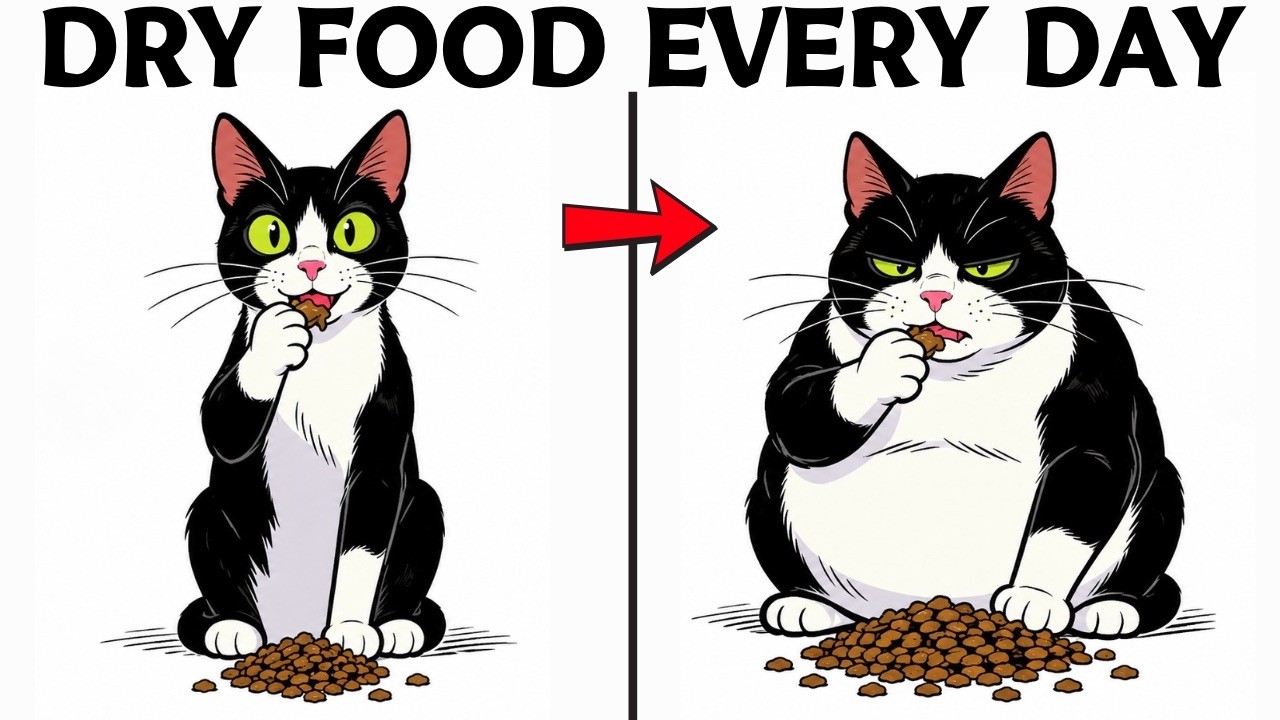
Why do so many indoor cats end up overweight despite their owners believing they’re not overfeeding them? One major concern is that dry food is among the most calorie-dense options available for cats. A small bowl can contain far more energy than your cat requires in an entire day. Additionally, because dry food is loaded with carbohydrates, it results in the body processing that energy inefficiently. Instead of building lean muscle and burning energy effectively, the excess carbohydrates are converted into fat.
When free feeding becomes part of the routine, as it often does with dry food, it exacerbates the issue. Owners who leave a bowl of kibble out for their cats believe they are allowing them to graze throughout the day, but that often results in the cats consuming far more than they actually need. Cats do not eat solely out of hunger; boredom, stress, and routine can also contribute to their eating habits.
Once a cat becomes overweight, reversing that weight gain can be incredibly challenging. Unlike dogs, cats cannot simply go on a diet without risk; rapid weight loss can lead to a severe liver condition known as hepatic lipidosis. Owners find themselves in a difficult position, 𝒄𝒂𝓊𝓰𝒉𝓉 between the dangers of excessive weight and the dangers of rapid weight loss.
4. Chemical Dependence on Kibble
Have you tried switching your cat to wet food or raw food, only to be met with what seems like an expression of disdain? Rather than mere pickiness, it’s more likely that your cat has developed a preference due to conditioning. Most people may not be aware that dry kibble on its own tastes somewhat bland—like cardboard. To make it more appealing, manufacturers coat the kibble with a 𝓈𝓊𝒷𝓈𝓉𝒶𝓃𝒸𝑒 called animal digest, derived from chemically broken down animal tissues. This concentrated flavor coating is engineered to entice cats, making it highly palatable but not necessarily nutritious.
Research from the British Journal of Nutrition has shown that these palatability coatings are the most significant factor in whether a cat accepts or rejects a food, overshadowing any actual nutritional benefits. This means your cat isn’t necessarily choosing what’s best for them—they’re responding to food that has been deliberately designed to be irresistible. The longer that a cat eats primarily dry food, the more entrenched these preferences become, often leading to outright refusal of alternatives.
5. The Myth of Dental Health
How many times have you heard that dry food is beneficial for your cat’s teeth? It seems logical that crunchy food would help scrub away plaque, but that premise doesn’t hold up under scrutiny. If you observe your cat eating dry kibble, you’ll notice they often don’t chew it as humans might chew a crunchy vegetable. Many cats, in fact, swallow kibble whole or break it into fragments, bypassing their teeth and gums entirely.
A study published in the Journal of Veterinary Dentistry found no significant difference in dental health between cats fed dry food and those fed wet food. The common belief that dry food cleans teeth has been perpetuated for so long that many consider it a fact, yet supporting research does not back this up. The pet food industry recognizes this reality; the existence of prescription dental diets specifically designed to promote dental health highlights that regular kibble does not serve that purpose.
Furthermore, dry food is typically loaded with starch, which breaks down into sugars. These sugars can adhere to the teeth, feeding the bacteria that promote plaque and tartar buildup. Thus, not only may dry food fail to protect your cat’s teeth, but it may also contribute to dental problems.
6. Kidney Health at Risk
Recall the earlier discussion about chronic dehydration. This issue is particularly concerning when it comes to kidney health. Your cat’s kidneys play a crucial role in filtering waste from the blood and eliminating it via urine. For this process to work properly, they need a consistent intake of water. When a cat is chronically dehydrated due to a diet heavily reliant on dry food, their kidneys are compelled to work harder than they were ever designed to. Over time, this chronic stress can lead to kidney damage.
Cat kidney tissue does not regenerate and does not send pain signals, which means that deterioration happens quietly and without immediate symptoms. By the time kidney function is detected through veterinary blood work, a cat will likely have lost a staggering 65% to 75% of their kidney function. This is not just an early detection issue; it represents a significant decline in health that requires damage control measures.

Chronic kidney disease is a leading cause of death in cats over the age of 10, surpassing even cancer and heart disease. Research published in the Journal of the American Veterinary Medical Association underscores that cats fed diets rich in moisture have consistently better kidney health compared to those on dry kibble diets. This connection illustrates a direct line between the food you provide and your cat’s longevity.
The deeply unsettling truth is that, while you cannot control your cat’s genetics or the aging process, you can control what goes into their bowl. Understanding the impact of your cat’s diet is one significant step toward ensuring they live their healthiest, fullest life. Making informed choices about their food can be the difference between sharing tender moments with your cat at age 12 or at age 20. The decisions in this area are life-altering, and your cat deserves the very best care you can provide.