Your cat has a unique and sometimes subtle way of communicating its feelings of safety and trust with you. These signs of affection can easily go unnoticed, as they manifest in small, often overlooked behaviors. Understanding these signals can deepen the bond between you and your feline companion. Let’s explore five key signs that your cat feels safe around you, beginning with a rather intriguing, albeit small, detail.
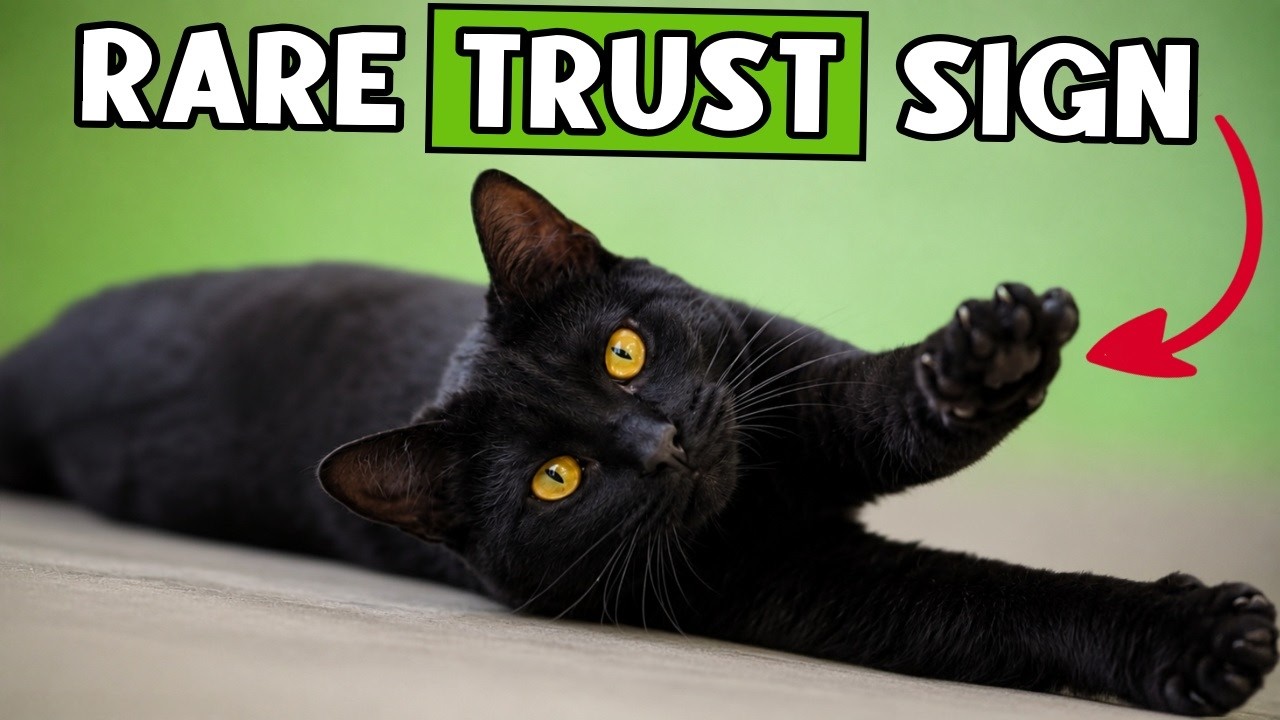
Number one: the tiny quiver. You might have observed a small, fleeting movement in your cat’s tail as they approach you, a movement that lasts only a couple of seconds. Unfortunately, many cat parents misinterpret this sign or completely miss it. When your cat walks toward you with their tail raised and the tip of it begins to quiver, it’s reminiscent of a little shiver of excitement. This reaction occurs because their nervous system responds to your presence much like it would when a kitten sees its mother after some time apart. This behavior is one of the first social cues that kittens learn in the wild, symbolizing safety and recognition.
This quivering tail is one of the most authentic signals a cat can exhibit. It is partly involuntary, meaning they cannot 𝒻𝒶𝓀𝑒 it; their body reacts instinctively, before their brain even processes the scene. An even more fascinating display of this behavior is something specialists refer to as phantom spraying. During this action, a cat will mimic the motions of scent marking without actually releasing any urine. They back up towards a surface and their tail quivers as it does when they greet you, yet nothing comes out. Though it may worry some cat owners, in many instances, this act stems from a place of trust. Their body instinctively declares, “This is my place. This is my person.”
Not every cat engages in phantom spraying, and the intensity of this behavior can vary significantly. Some cats exhibit such subtle quivers that you might blink and miss the moment altogether, while in others, the tail shakes vigorously with enthusiasm. Therefore, when your cat approaches you with their tail raised and quivering, recognize it as one of the oldest signs of trust in feline behavior, a gesture rooted in the bond formed between mothers and their kittens.
But the tiny quiver is just the beginning. What happens when your cat feels so secure with you that they allow you to witness a moment of vulnerability? Number two: they let you watch them fail. Cats are typically very conscious of their movements within their environment. If you’ve ever witnessed your cat miss a jump and then recover as though nothing happened, you understand what I mean. They are keenly aware of their mistakes.
When a cat miscalculates in your presence and remains in the room afterward, it signifies a deeper level of comfort with you. Over time, they have learned that you are not a threat. Instead, you are a calming and steady presence. In feral cat colonies, showing signs of weakness or poor coordination can draw attention from other cats, making it an ingrained instinct to hide vulnerabilities.
A cat from a shelter or a new home may retreat for an extended period after a stumble. Therefore, if your cat does not exhibit such behavior, it is a direct indicator of the degree of their trust in you. This leads us to number three: pay careful attention to where their ears turn when you speak.

Many cat parents often focus on a cat’s tail or eyes, but rarely do they observe what happens with their ears during a conversation. When you engage your cat verbally, notice if their ears shift slightly forward towards your voice, while the rest of their body stays perfectly still. This specific response indicates that they are not just hearing you; they are paying attention.
Cats possess an impressive array of over thirty muscles in each ear, allowing for independent and precise movements. Through research, it has been discovered that cats hear differently than we might expect. They not only hear sounds but also filter them out. A relaxed cat can ignore the various sounds around them—the hum of the refrigerator, cars passing outside, or multiple conversations occurring nearby. However, when they recognize a voice that they trust, their reaction is markedly different.
A 2013 study from the University of Tokyo showed that cats could consistently distinguish their caregiver’s voice from those of strangers. When 𝓮𝔁𝓹𝓸𝓼𝓮𝓭 to familiar voices, they exhibit subtle physical reactions, including changes in ear positioning, head tilts, and shifts in pupil size. Interestingly, these reactions were not present when they heard unfamiliar voices.
The core takeaway from this study is that cats with stronger bonds to their humans show more intense reactions. So, when you converse with your cat, and you notice those little ears perk up and turn towards you, you are witnessing a cat whose brain is responding to your voice in a comforting way, similar to how they respond to other familiar and safe sounds.
In some cases, cats may respond with both ears fully forwarding and opened wide, as if to better capture the sound of your voice. This is the epitome of attention given freely—not prompted by a loud noise or a potential threat, but out of choice and trust.
While a cat’s ears provide insight into their trust, their entire body also conveys a story when genuine trust is established. Number four: observe how they settle down in your presence. To truly understand this behavior, try an experiment tonight. Sit in your usual spot without calling or reaching for your cat. Simply stay where you are and observe.
If your cat approaches you, take note of how long it takes them to lie down entirely. A cat that feels insecure in its environment will often drop to the ground quickly, yet remain tense. They might tuck their paws under their body, keep their head raised, and remain poised to leap away at any moment. This position is sometimes referred to as the loaf position, where a cat sits with all four paws hidden beneath them. While it might seem comfortable, it’s actually a pose that allows them to stay alert.
In contrast, a cat that feels secure will lower their body to the ground more gradually, releasing their tension in stages. The process begins with their body loosening. First, they’ll tuck in their paws. Then their head will lower slowly. Throughout this unfolding, their nervous system is assessing their safety, asking, “Am I still safe here?” When they can conclude that they are indeed safe, their body can continue to relax completely.

Research conducted by Oregon State University in 2019 explored the emotional bond between cats and their caregivers. The study concluded that approximately 65% of cats develop what researchers term a secure attachment to their primary person. Cats that are securely attached behave in a manner similar to human infants who share a strong bond with their caregivers. When their caregiver is nearby, they feel relaxed, they explore, and they settle down comfortably. However, when that important person leaves, they exhibit signs of stress, only to calm down upon their return.
This gradual process of lowering and relaxing serves as a physical representation of secure attachment, eloquently illustrating the bond formed between a cat and its owner. Your cat’s brain recognizes you as a source of safety, and their body reciprocates that understanding by unwinding tension entirely in your presence.
Now, moving to our final point, number five: your cat eating with its back turned to you. At first glance, this behavior may appear rude, as if your cat is disregarding your presence. They walk to their food bowl, turn away, and begin to eat without casting a glance in your direction. This behavior can feel like an affront—the emblem of indifference. However, let me assure you, this is one of the strongest indicators of trust that a cat can manifest.

In the wild, mealtime represents one of the most vulnerable times for any predator. Their senses are engaged, their head is lowered, and any animal that feeds while ignoring their surroundings is an easy target. Therefore, feral cats typically eat while facing outward, always vigilant for potential threats. They will raise their heads frequently between bites to remain alert, rarely surrendering entirely to their meal.
Thus, when your cat turns their back to you while eating, it signifies a profound level of trust. They have assessed the situation and determined that you pose no threat from behind. They no longer need to constantly monitor their surroundings because they trust that you will watch over them.
In feral cat colonies, this more relaxed form of eating is observed exclusively among cats that have cohabitated long enough to share territory and food without creating tension. It represents an overtly social behavior that, on the surface, might resemble indifference, yet at its core, signifies comfort and assurance.
Some cats even take this trust a step further by choosing to eat only when their caregiver is present, pausing their meal the moment that person leaves the room. In this way, they use your companionship as a safe haven during one of their most 𝓮𝔁𝓹𝓸𝓼𝓮𝓭 moments.
So, the next time you notice your cat facing away while eating, pay close attention to their body language. Are their ears relaxed? Is their posture loose? These indicators reveal how safe they feel knowing you are behind them. Such trust is not something they share lightly; it is reserved for those with whom they have formed a deep bond.
In summary, if you’ve ever wondered about your cat’s behavior, understanding these signs can reassure you that your cat is, indeed, well cared for and feels secure in your home. To delve deeper into the well-being of your furry friend and ensure they are getting the best care possible, consider exploring further resources on cat care. You’ll open the door to an incredible journey of nurturing the connection you share with your beloved pet.