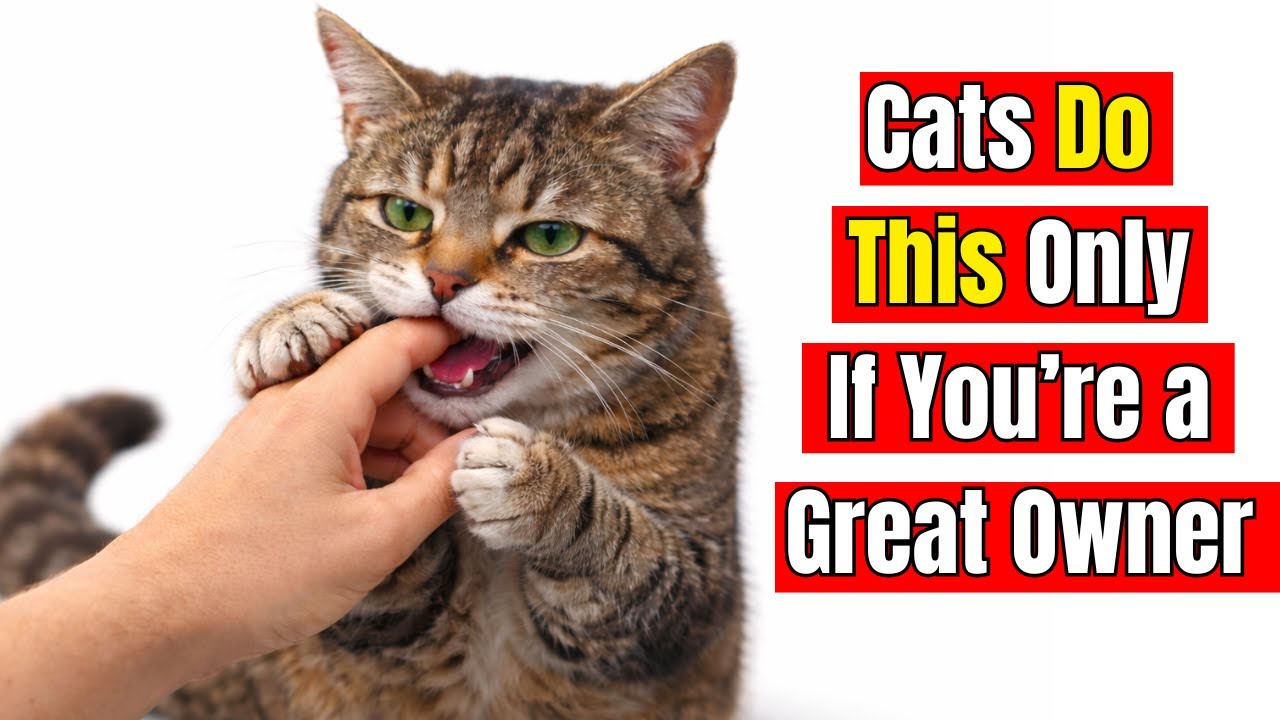
Did you know that only 20% of cats are truly living their best life? Recent research reveals the surprising truth. Here is the good news. If your cat does these behaviors, you might already be giving them the life they have always dreamed of. And the final sign, almost no cat owner ever notices this. Let us begin.
Sign one is the grooming love language. Your cat starts licking your hand, arm, or hair with that sandpaper tongue. This might seem strange, but it is actually one of the most intimate bonding behaviors in the feline world. Cats groom each other, called allogrooming, only within trusted social groups. Mother cats groom kittens. Bonded adults groom close companions. By grooming you, your cat treats you as family. They are not just cleaning you. They are reinforcing social bonds and spreading communal scent. Most cats never groom their humans because they do not view them as inner circle members. If your cat regularly licks you, especially after you have petted them, they are showing reciprocal affection. They are saying, you groom me with your hands, so I will groom you back. This mutual grooming strengthens your bond every single time it happens. It is their way of caring for you the same way they would care for their own family.
Sign two is the strategic sleep locations that keep you close. Your cat does not just sleep anywhere. They specifically choose spots near you, on you, or touching you. Cats sleep 12 to 16 hours daily. And where they sleep reveals everything about their comfort level. Sleep makes them incredibly vulnerable. In the wild, cats pick sleeping spots based on safety and security. If your cat consistently sleeps on your lap, next to you, or even on your actual body, they have decided you are their safest option. Most cats sleep in hidden, elevated, or enclosed spaces where they can monitor threats. But cats living their best life, they sacrifice strategic positioning because being near you matters more than security measures. If your cat sleeps touching you or with their back to you, that is maximum trust. They are confident you will protect them while they are unconscious and vulnerable. This daily choice proves you are their ultimate safe zone.
Sign three is the belly exposure that no other cat gets to see. Your cat flops down in front of you and rolls onto their back, exposing their belly completely. Do not touch it. That is often a trap. But the exposure itself, that is massive trust. A cat’s belly contains all their vital organs with zero protection. In nature, showing your underbelly could mean death. Cats instinctively guard this area fiercely. Most cats never show their belly because something keeps them defensive. If your cat regularly displays their stomach around you, even without wanting it touched, they are demonstrating complete faith in your intentions. This position requires overriding every survival instinct screaming, protect yourself. It means they have observed you long enough to know you are not a threat, that you respect boundaries, and they can be completely vulnerable without consequences. That level of trust is rarer than you think.
Sign four is the tail question mark that follows you everywhere. Your cat walks toward you with their tail held high, curved at the tip like a question mark. This is not just cute. It is one of the most significant body language signals in feline communication. A vertical tail with that hook means your cat is genuinely happy and confident approaching you. Cats only display this around beings they trust completely. In feral colonies, this greeting is reserved for close family members. When scared, their tails drop or puff up. When aggressive, tails lash side to side. But that confident question mark, that is pure contentment and anticipation of positive interaction. If your cat greets you this way multiple times daily, they are not just tolerating you. They are actively excited to interact and associate you with safety, comfort, and happiness. This greeting is how cats say, I am so glad you are here.
Sign five is constant check-ins. You are sitting on the couch, working on your laptop, minding your own business, and suddenly you feel it, eyes watching you. You look up and there is your cat across the room just staring, making sure you are okay. This is not random behavior. Scientists call this referential monitoring, and it is completely unique to bonded cats. Most cats are independent and could not care less what their owners are doing. But the happiest, most secure cats take this even further. They check on you even when nothing is wrong, just to confirm you are safe and content. It is what family does without being asked. If your cat regularly glances over, locks eyes briefly, reads your body language, then relaxes with visible contentment, they are not just obedient. They are emotionally connected to you on a profound level most owners never experience. This protective checking behavior shows they care about your well-being, not just their own comfort.
Sign six is the choosing you over everything else. Your cat has food available, toys scattered around, sunny spots to nap in, and access to everything they love. But when you sit down, they leave all of it to come be with you. This is the ultimate test. Cats are independent, resource-driven creatures who typically prioritize comfort, food, and security over social interaction. If your cat consistently chooses your proximity over food, favorite sleeping spots, or engaging activities, you have become their most valuable resource. This choice happens multiple times daily for truly bonded cats. They will abandon half-eaten meals, leave sunny windows, or stop mid-play to be near you. It is not about what you provide, but about who you are to them. Most cats view humans as resource providers, food dispensers, door openers, warmth sources. But cats living their absolute best life view their humans as the resource itself. If your cat regularly picks you over everything else they enjoy, you are not just their owner. You are their favorite thing in their entire world. And no comfort or entertainment compares to simply being in your presence.
Sign seven is the slow blink that scientists call the cat kiss. You are sitting on the couch and suddenly you catch your cat staring at you from across the room. Then something magical happens. They slowly close their eyes and open them again like they are sending you a secret message. Feline behaviorists call this the cat kiss, and it is completely unique to deeply bonded cats. Here is what blows people’s minds. In the wild, closing your eyes around anything is a death sentence. Predators attack during that split second of blindness. But your cat, they are willing to make themselves vulnerable in your presence. Research shows this slow blink triggers oxytocin release in both your brain and theirs. The exact same love hormone that bonds mothers to babies. If your cat gives you these slow blinks regularly, especially when you return them, they are not just comfortable. They trust you unconditionally.
Sign eight is the head slam that marks you as family forever. Your cat walks up calmly. Then suddenly, bam, they smash their forehead into your hand like a tiny furry battering ram. Here is what is really happening. Cats have scent glands on their forehead, cheeks, and chin. When they head-bunt you, they are mixing their scent with yours, creating a shared family smell. Feral cats never bunt humans they do not trust. Shelter cats do not bunt strangers. This behavior is reserved exclusively for their chosen family members. The intensity matters, too. Gentle bunts show affection, but those full force head slams where they nearly knock your phone out of your hand, that is your cat saying you are their absolute favorite being in the entire world. If your cat regularly bunts you, especially first thing in the morning, they are reinforcing the bond daily because losing you would devastate them.
Sign nine is the kneading that takes them back to their safest memory. Your cat jumps onto your lap and starts rhythmically pushing their paws in and out like they are making pizza dough. This kneading behavior is hardwired from kittenhood when kittens knead their mother’s belly to stimulate milk flow. Here is what changes everything. Adult cats only knead when they feel the exact same safety they felt nursing with their mother. Your cat is literally regressing to the most secure, loved moment of their life and experiencing it with you. Most cats never reach this comfort level with humans. The deeper they knead, the more relaxed they are. If your cat kneads you, especially while purring, you have replaced their mother as their ultimate safe person. That is your cat’s soul telling you they have never felt safer anywhere than in your presence.
Sign 10 is the purr that vibrates through your entire body. Your cat curls up on your chest and starts purring so loudly you can feel vibrations through your body. Purring is complex. Cats purr when content, but also when stressed as self-soothing. The key difference is context and intensity. A cat purring deeply while relaxed on you, eyes half closed, body loose, is experiencing genuine contentment. Research shows cats purr at frequencies between 25 and 150 hertz, which promotes healing and reduces stress in both cats and humans. If your cat’s purr is loud, steady, and happens specifically during physical contact with you, they are not just relaxed. They are in active happiness. Some cats purr so hard they drool, knead, or make eye contact simultaneously, combining multiple contentment signals. This deep rumbling purr reserved for quiet moments with you shows they have found their happy place. And that place is wherever you are. That is not coincidence. That is choice.
Sign 11 is the playtime invitations that include you in their world. Your cat brings you toys, drops them at your feet, and looks at you expectantly. Or they suddenly zoom across the room, stop, and stare at you, waiting for engagement. Adult cats do not play with just anyone. Play requires letting their guard down, so it is reserved for trusted companions. If your cat actively recruits you for play sessions, they are inviting you into their world as a trusted partner. This is especially significant because cats are solitary hunters, unlike pack animals who play together naturally. Your cat choosing to play with you means they have overridden independent instincts to include you in activities they would normally do alone. Some cats even adjust their play style based on your abilities, being gentler than with other cats. If your cat initiates play regularly and seems genuinely excited when you participate, they see you as more than a food provider. They see you as a fun, safe, valued companion worth their energy.
Sign 12 is the following behavior without anxiety. Your cat follows you from room to room, kitchen, bathroom, bedroom, it does not matter. Some worry this is separation anxiety, but there is a crucial difference. Anxious cats follow desperately, crying when separated, showing stress signals. Happy cats follow by choice. If your cat trails you but remains calm when you close a door between you, does not vocalize frantically, and can be in separate rooms without distress, they are not anxious. They are interested. Cats are curious creatures, and following you means they find your activities interesting and want to be where the action is. This selective following, where they check in regularly but do not panic during separation, shows secure attachment. They enjoy your company enough to stay nearby, but trust you will return if you leave their sight. Most cats maintain complete independence. If yours chooses proximity while maintaining emotional stability, you have achieved the perfect balance of bonding without creating dependency.
Sign 13 is the exposing of their most vulnerable moments. Your cat eats, uses the litter box, or grooms themselves with you in the room, completely unbothered by your presence. These are extremely vulnerable activities for cats. In nature, eating means distraction from threats. Using the bathroom leaves them defenseless, and grooming requires focus, reducing awareness. Cats instinctively seek privacy for these activities. Feral cats hide while eating, bury waste secretly, and groom only when completely safe. If your cat performs these intimate, vulnerable activities while you are present, watching, or nearby, they have categorized you as safe in their mental threat assessment. They are not worried you will attack while they are distracted or vulnerable. Most cats wait until owners leave before eating comfortably or using the litter box. If yours does these things openly around you, even making eye contact during these moments, they trust you at the deepest instinctual level, believing you would never exploit their vulnerability. That is trust money cannot buy.
Sign 14 is the responding to your voice across distances. You call your cat’s name from another room and they respond, maybe with a meow, a trill, or by actually coming to find you. Cats hear perfectly well, but they are selective about responding. Studies show cats recognize their owner’s voice and their own name, but often choose to ignore both unless they want something. If your cat consistently responds to your voice, especially from different rooms or when they are comfortable and settled, they are not just well-trained, they are engaged in the relationship. They care enough about your communication attempts to acknowledge them even when there is no obvious benefit like food or play. This responsiveness shows they value the social connection enough to interrupt their activities just to interact with you. Most cats develop selective hearing with their owners, responding only when it suits them. If yours replies to your calls regularly, they have decided your communication is worth their attention and energy, which means they genuinely care about maintaining connection with you.
Sign 15 is the claiming of your personal items as comfort objects. Your cat sleeps on your worn clothes, sits on your laptop when you are working, or curls up on your chair the moment you stand up. This is not annoying behavior. It is scent-seeking comfort. Cats have an incredibly powerful sense of smell, and your scent provides them security and happiness. When your cat chooses items that smell strongly of you, worn shirts, used towels, your side of the bed, they are self-soothing with your scent when you are not available for direct contact. This behavior shows your smell has become synonymous with safety and contentment in their brain. Most cats prefer neutral or their own scent. If yours actively seeks out your scent and seems more relaxed when surrounded by it, you have become their emotional anchor. The laptop sitting and chair stealing are not attention seeking. They are ways to stay connected to your presence. Even when you are busy or away, your cat has decided your scent alone is comforting enough to seek out deliberately.
Sign 16 is calm during departures without panic. You would think a cat who loves you would panic when you leave, but the opposite is true. Cats with secure attachment stay calm when their owner walks out because they trust you will return. Anxious cats lose their minds, meowing desperately, pacing, showing distress because they lack that confidence. But cats living their best life, they watch you go, maybe look a little sad, but do not spiral into panic. This calmness is a compliment, not indifference. It means you have built a foundation of trust so strong they do not need constant reassurance. Most owners never reach this level. If your cat handles your exits with quiet confidence, you have mastered cat parenting. This behavior shows they have learned through consistent experience that you always come back, that departures are temporary, and that their world does not end when you are not in sight. They might watch from the window or wait by the door, but they are not experiencing the distress that comes from thinking you might never return. That security only comes from being proven right hundreds of times.
Sign 17 is the belly up stretches that happen only around you. Your cat stands up from a nap and instead of just walking away, they do a full body stretch with their belly completely 𝓮𝔁𝓹𝓸𝓼𝓮𝓭. Sometimes they even look directly at you while doing it. This is not just physical, it is social. Cats stretch to wake up muscles, but doing it with belly 𝓮𝔁𝓹𝓸𝓼𝓮𝓭 in front of you requires trust. In 𝓉𝒽𝓇𝑒𝒶𝓉𝑒𝓃𝒾𝓃𝑔 environments, cats stretch in protected positions. But around trusted companions, they stretch openly, exposing their most vulnerable areas without concern. If your cat does these exaggerated, 𝓮𝔁𝓹𝓸𝓼𝓮𝓭 stretches specifically when you are watching, they are comfortable enough to be completely unguarded around you. Some cats even combine this with a chirping vocalization, essentially greeting you while showing they feel safe. This daily ritual of vulnerable stretching in your presence demonstrates they have never experienced anything from you that would make them protective or defensive. You have proven yourself trustworthy thousands of times over.
Sign 18 is the deep sigh of pure bliss. You are sitting together and suddenly your cat lets out a long deep sigh and melts into the floor like ice cream in the sun. That is not boredom, that is bliss. Research shows sighing in cats activates their parasympathetic nervous system, the body’s rest and recovery mode. When they sigh, they are literally saying, life is good. I can relax now. Most cats are too stressed to ever reach this state, constantly on alert even at home. But cats in truly happy homes sigh regularly because they have hit peak comfort. It is the feline version of saying, ah, finally peace. If your cat sighs like this next to you, they are not just content, they are in paradise. This deep exhale is their body physically releasing tension and stress, indicating they feel so safe they can fully let their guard down. When cats sigh while lying close to you, often accompanied by that full body relaxation where every muscle goes soft, that combination tells you everything. Your presence does not just make them happy. It makes them feel peaceful and completely secure.
Sign 19 is the gentle paw touch without claws. Your cat reaches out with their paw and gently touches your face, arm, or hand without extending their claws. This soft paw touch is one of the most affectionate gestures in cat language. Cats have incredible control over their claws. They can extend them instantly when needed for hunting or defense. But when they touch you with retracted claws, soft paw pads only, they are being intentionally gentle. This behavior shows they have learned you are delicate compared to them, and they are adjusting their strength out of love and respect. Some cats even pat their owner’s face to wake them up gently in the morning or tap their hand when they want attention. The fact they are not using claws despite having them readily available proves they have zero intention of hurting you. Most cats do not bother with this level of gentleness. If yours regularly gives you these soft paw touches, they are showing physical affection while simultaneously demonstrating self-control and respect for your body. It is their version of a gentle caress, and it only happens with humans they genuinely love.
Sign 20 is they wait for you at the door like a welcoming committee. You come home after being gone for hours and before you even fully open the door, your cat is right there waiting. Some cats meow excitedly, others just sit quietly watching. But the point is, they are there. This greeting behavior is huge because cats are naturally independent and do not need social interaction to survive. If your cat consistently positions themselves near the door before you arrive, they have learned to recognize the sounds of your car, your footsteps, or your arrival patterns. They are not waiting because they are hungry. Food is already available. They are waiting because they missed you and want to be the first thing you see when you walk in. Dogs get credit for this behavior, but when cats do it, it is even more meaningful because it goes against their independent nature. If your cat greets you at the door regularly, whether with loud meows, figure-eights around your legs, or just quiet presence, they are showing that your return is the highlight of their day. That is not trained behavior. That is genuine emotional attachment and anticipation of being reunited with their favorite person in the world.
So, how many of these signs does your cat show? Drop a number in the comments below. I want to know if your cat is living their absolute best life with you. If it is more than five, smash that like button because you are not just a cat owner, you are living proof that unconditional love goes both ways. But here is what most people miss. There is one behavior happy cats do that reveals more about your bond than all of these combined. And I guarantee you have seen it, but never understood what it really meant. Check out my next video to find out what it is.