Cats secretly choose a favorite human. If your cat does these things, congratulations. You are the one they trust the most.
Number one, they let you touch their belly. Cats are often described as independent and cautious, especially when it comes to physical contact. Even the most affectionate cats usually have clear boundaries, and the belly is one of the most protected areas of their body. This region contains vital organs and is covered by soft tissue, making it extremely vulnerable. For this reason, many cats instinctively react with discomfort when someone they do not fully trust tries to touch or pet their belly. In those situations, it is not unusual for them to pull away, tense up, or even use their claws to make their feelings clear. However, the reaction can be very different when it comes to their favorite human. When a strong bond of trust has been built over time, some cats allow a level of contact they would never tolerate from anyone else. Letting you touch their belly is not an invitation they give lightly. In some cases, they may genuinely enjoy the sensation and relax completely, exposing their belly without concern. In others, they may simply tolerate it for a few seconds, accepting the contact because they trust your intentions. What truly matters is not whether the cat enjoys belly rubs, but how they choose to respond. Instead of reacting defensively, they may calmly move away, change positions, or gently signal that they have had enough. This controlled response shows that they feel safe with you and believe you will respect their boundaries. That level of confidence does not exist without trust. It is also important to remember that not all cats enjoy belly contact. No matter how close the bond is, some will never allow it, even with their favorite human. That does not mean the connection is weak. But if your cat does let you touch their belly, even briefly, it is a powerful sign that you hold a very special place in their world.
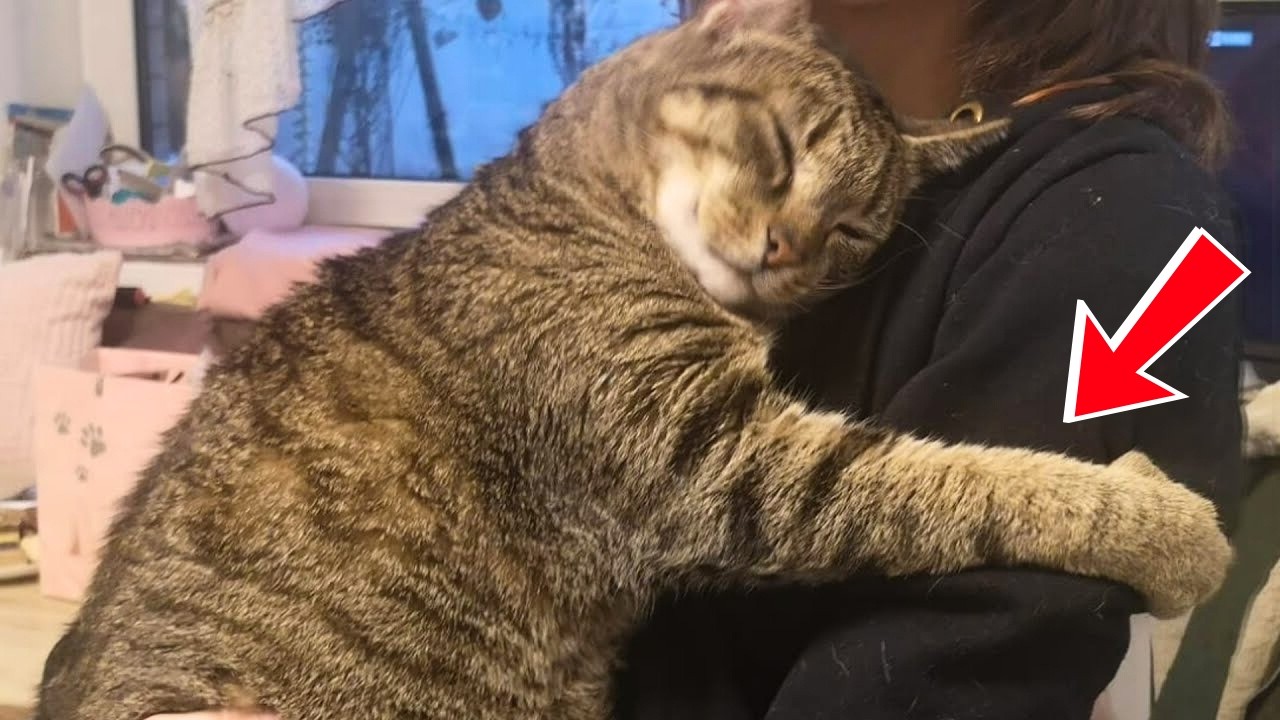
Number two, they allow you to pick them up. For most cats, being picked up is not a natural or comfortable experience. Lifting them off the ground removes their sense of control and limits their ability to escape if they feel threatened. Because of this, many cats instinctively resist being held and may squirm, tense their bodies, or try to get away when someone attempts to lift them. Even gentle cats can react defensively if they feel unsafe or unsure about the person holding them. That is why this behavior says so much about trust. While a few cats naturally enjoy being carried, the majority are very selective about who they allow to pick them up. When a cat chooses to stay calm in your arms, it means they feel secure and confident that you will not harm them. This level of comfort does not happen by accident. It is built gradually through positive interactions, consistent care, and respectful handling. A cat’s favorite human usually understands their body language and knows how to lift and support them properly. Holding a cat in a way that makes them feel stable, supported, and close can completely change how they experience being picked up. Instead of feeling trapped, they feel protected. As a result, they may relax, remain still, or even lean into you while being held. Even when they do not fully enjoy the experience, trusted cats tend to respond differently. Rather than struggling or using their claws, they may simply wait calmly or ask to be put down in a gentle way. This tolerance shows that they trust your judgment and intentions. It is important to remember that not all cats enjoy being picked up, even by the person they love the most. Some prefer to keep all four paws on the ground at all times. Still, if your cat allows you to pick them up without stress or resistance, it is a strong sign that you are someone they deeply trust and feel safe with.
Number three, they eat calmly in your presence. Food activates some of the strongest instincts in a cat. In the wild, eating is never completely safe, and meals must often be consumed quickly before another animal appears to steal them. This instinct remains present in domestic cats, which is why many prefer to eat alone and without interruptions. Sudden movements, unfamiliar people, or even being watched too closely can make some cats nervous during meal time, causing them to rush, guard their food, or walk away altogether. Because of this, a cat that eats calmly while you are nearby is showing a meaningful level of trust. When a cat feels threatened or unsure, their body remains tense and alert, always ready to react. However, in the presence of their favorite human, many cats are able to relax. They understand through routine and experience that you are not a competitor and that their food is safe. This sense of security allows them to slow down and eat at a comfortable pace. Over time, the repeated experience of being fed and cared for builds a strong association between food and safety. Your presence becomes reassuring rather than stressful. Instead of triggering protective instincts, it reinforces the idea that nothing bad will happen. As a result, the cat can focus on eating rather than watching their surroundings. It is still recommended to let cats eat in peace whenever possible, as every cat has different comfort levels. Some may prefer complete privacy no matter how strong the bond is. Others, however, will continue eating calmly even if you stand nearby, move around, or speak softly. If your cat shows this relaxed behavior during meals when you are present, consider it a sign of trust. It means they feel secure enough around you to lower their guard, even during one of the most instinct driven moments of their day.
Number four, they do not mind if you look at them. In the animal world, eye contact carries powerful meaning. A fixed stare is often interpreted as a sign of danger, dominance, or an incoming threat. For this reason, cats are naturally cautious when it comes to being looked at directly. When they feel uncomfortable or challenged, they may break eye contact, turn their head away, or simply leave the area altogether. Avoiding a stare is part of how cats keep themselves safe. This is why the way a cat responds to your gaze can reveal a great deal about your relationship. With people they do not fully trust, cats tend to remain alert and avoid prolonged eye contact. However, with their favorite human, this reaction often changes over time. Through repeated positive experiences, cats learn that your gaze does not signal danger or aggression. Instead, it becomes familiar and harmless. When a cat feels secure around you, they may look back calmly, remain in place, or even blink slowly while holding eye contact. This slow blinking is often described as a feline sign of trust and relaxation. Rather than feeling the need to retreat, the cat stays present, showing that they are comfortable with your attention. This mutual understanding does not develop overnight. It is built gradually as the cat learns your behavior, tone, and intentions. Once that trust is established, eye contact can turn into a quiet form of communication. It becomes a shared moment of awareness rather than a source of stress. Of course, every cat has its own personality. Some will always prefer brief glances over direct stares. Others may be more tolerant by nature. Still, if your cat remains relaxed when you look at them and does not feel the need to move away, it is a strong indication that they trust you completely. Your presence, even your attention, feels safe to them.
Number five, they let you hold them still when needed. Cats value freedom of movement above almost everything else. Being able to escape quickly is one of their strongest instincts, which is why being restrained can feel extremely 𝓉𝒽𝓇𝑒𝒶𝓉𝑒𝓃𝒾𝓃𝑔 to them. When their movements are limited, many cats immediately become anxious and try to break free. Even cats with calm and gentle personalities may react strongly in these situations, using their strength, claws, or voice to regain control. Because of this, a cat that allows you to hold them still, even briefly, is showing an exceptional level of trust. This behavior usually appears in situations where restraint is necessary, such as administering medication, checking an injury, or removing something tangled in their fur. These moments are often uncomfortable and unfamiliar, which makes the cat’s reaction even more meaningful. When a trusted human approaches these situations calmly, speaks in a soothing voice, and moves gently, some cats are able to remain still for a short time. They may not enjoy the experience, but they tolerate it because they believe you are not trying to harm them. Instead of panicking, they rely on the bond that has been built through care and consistency. What stands out most is how differently cats behave with someone they trust compared to someone they do not. With a stranger or an unfamiliar handler, restraint often leads to immediate resistance. With their favorite human, many cats choose patience over fear. They may tense their body but remain in place, waiting for the situation to pass. This kind of cooperation does not come from training alone. It is the result of a deep emotional connection. If your cat allows you to hold them still when it truly matters, it means they trust your judgment and feel safe in your hands, even during moments of discomfort.
Number six, they bring their face close to yours. Cats are naturally careful when it comes to approaching the face of another living being. Faces are sensitive areas, and for a small animal, getting too close to a much larger face can feel risky. Sudden movements, unfamiliar expressions, or unexpected sounds can easily trigger a defensive reaction. Because of this, most cats keep a respectful distance, limiting face-to-face contact to a quick sniff or brief glance. When a cat chooses to bring their face close to yours, it is not a casual gesture. This behavior shows a high level of comfort and trust. Whether it is a gentle nose touch, a slow approach to your face, or a soft head rub against your cheek or forehead, these actions indicate that the cat feels completely safe in your presence. They are placing themselves in a vulnerable position, confident that no harm will come to them. Head rubbing, also known as bunting, has an additional meaning. Cats have scent glands on their faces, and by rubbing against you, they are marking you as familiar and important. This behavior is a form of bonding and a way of including you in their social group. It is a sign that they see you as more than just a caretaker. This level of closeness is rarely offered to strangers or people the cat does not fully trust. With unfamiliar individuals, cats are far more cautious and reserved. With their favorite human, however, they relax and seek contact on their own terms. Every cat expresses affection differently, and not all will enjoy face-to-face contact. Still, if your cat regularly brings their face close to yours, it reflects a deep emotional bond. It means they trust you completely and feel secure enough to share one of their most intimate gestures of affection.
Number seven, they lie on their back with their belly 𝓮𝔁𝓹𝓸𝓼𝓮𝓭 near you. A cat’s belly is one of the most vulnerable parts of their body. It protects vital organs and is covered by soft tissue with very little natural defense. Because of this, cats instinctively guard this area and avoid exposing it unless they feel completely safe. In most situations, keeping the belly protected is essential for survival, which is why this posture is not shown lightly. When a cat chooses to lie on their back with their belly 𝓮𝔁𝓹𝓸𝓼𝓮𝓭 near you, it is a powerful sign of trust. This position leaves them defenseless and unable to react quickly if danger appears. By placing themselves in this vulnerable posture, the cat is showing confidence in their surroundings and more importantly in the person nearby. Your presence signals safety rather than threat. This behavior often appears when a cat is deeply relaxed. They may stretch out, roll slightly onto their back, or rest with all four paws loosely in the air. In these moments, their body language is open and calm, showing that they are not on high alert. Instead of watching their environment closely, they are comfortable enough to rest. While some cats are naturally more relaxed and may display this behavior more easily, for many, it is reserved for their favorite human. Around unfamiliar people or in new environments, cats rarely expose their bellies. They remain cautious and ready to protect themselves. Near someone they trust, however, that caution fades. It is important to understand that exposing the belly does not always mean an invitation to touch it. The gesture itself is about trust, not necessarily physical contact. If your cat regularly lies on their back near you, it means they feel secure, relaxed, and safe in your presence. This quiet display of vulnerability is one of the clearest signs of a strong emotional bond.
Number eight, they knead on you like you are a biscuit. Kneading is one of the most recognizable and comforting behaviors cats display. This rhythmic motion where they press their paws alternately against a soft surface begins in kittenhood. As kittens, this movement helps stimulate milk flow while nursing from their mother. During this early stage of life, kneading is closely linked to feelings of safety, warmth, and nourishment. As cats grow older, many carry this behavior into adulthood. However, they do not knead randomly or without meaning. Adult cats typically knead when they feel relaxed, content, and emotionally secure. The action helps them settle into a comfortable space and signals that they are at ease. When your cat chooses to knead on you, it shows that they associate you with the same sense of comfort they felt as kittens. This behavior often appears during quiet moments, such as when a cat is preparing to rest or seeking closeness. The slow, deliberate movements of their paws indicate that they are calm and trusting. In some cases, kneading may be accompanied by purring, further reinforcing the idea that the cat feels safe and happy. Not all cats knead, and those that do may only show this behavior in very specific situations. Many reserve it for the place or person where they feel most secure. Choosing you as their kneading surface is not accidental. It reflects a deep emotional connection and a strong sense of trust. Even though the pressure of their paws or claws can sometimes be uncomfortable, the gesture itself is meaningful. If your cat kneads on you, it means they see you as a source of comfort and safety. This simple instinctive action is one of the clearest signs that your cat feels completely at home with you.
Number nine, they bring you gifts. To many cat owners, finding an unexpected gift left on the floor can be surprising or even unpleasant. However, in the cat world, this behavior carries a very different meaning. Bringing you small animals, insects, or even objects is rooted in natural hunting instincts that have been passed down for generations. In the wild, hunting is an essential skill tied to survival, and sharing the results of a hunt has social significance. When a cat brings you a gift, it is not an accident. This behavior is often interpreted as an act of sharing or teaching. Some experts believe cats may see their favorite human as part of their social group or even as someone who needs help learning how to hunt. In this context, the gift becomes a sign of care rather than something random. Cats are far more likely to display this behavior with the people they trust most. They do not typically bring offerings to strangers or individuals they feel uncomfortable around. Choosing you as the recipient means your cat feels a strong sense of connection and familiarity with you. It is their way of including you in their world. Even when the gift is not something you want to receive, the intention behind it matters. The cat is sharing something valuable from their perspective. This action reflects confidence, attachment, and trust. It shows that your cat feels comfortable enough to bring their hunting success into your shared space. Not all cats will bring gifts, as personalities and instincts vary. Some may prefer toys while others never display this behavior at all. Still, if your cat does bring you gifts, it is a meaningful sign. It suggests that they see you as an important part of their inner circle and want to share what they consider valuable with you.
Number ten, they choose to sleep with you. Sleep is one of the most vulnerable states for any animal, and cats are especially aware of this. When they are asleep, their ability to react quickly to danger is reduced, which is why they are very selective about where they rest and who they rest near. Cats usually choose sleeping spots that feel secure, quiet, and free from potential threats. For this reason, their choice of sleeping location reveals a great deal about where they feel safest. When a cat chooses to sleep beside you or on your bed, it is a strong sign of trust. Your presence provides them with a sense of comfort and security that allows them to fully relax. Rather than remaining alert, they feel safe enough to let their guard down. This decision is not made lightly, especially for cats that are naturally cautious or easily startled. Sharing a sleeping space also strengthens the bond between you and your cat. Your familiar scent, warmth, and breathing create a calming environment that many cats find reassuring. Over time, this closeness helps deepen their sense of attachment and reinforces the emotional connection you share. Some cats may choose to sleep near your feet, while others curl up beside you or rest close to your head. Each position reflects the same underlying message: they trust you and enjoy being close to you. Even cats that are independent during the day may seek out their favorite human at night. Of course, not all cats enjoy sleeping with people. Some prefer their own space or a separate resting area. Still, when a cat consistently chooses to sleep with you, it is a meaningful gesture. It shows that they feel protected, comfortable, and deeply connected to you, making you an important part of their sense of safety.
Number eleven, they follow you from room to room. Cats are often seen as independent animals that prefer doing things on their own. While they value their personal space, this independence does not mean they are indifferent to companionship. In fact, many cats form strong attachments and choose to stay close to the people they trust the most. One clear way this attachment appears is when a cat follows their human from room to room. This behavior is not about neediness or constant attention. Rather, it reflects comfort and security. When a cat feels safe with someone, they enjoy being near them, even if no direct interaction is taking place. Simply sharing the same space can be enough. Your presence provides reassurance, and the cat feels more at ease knowing you are close by. Following you also allows cats to stay connected to their environment while remaining within their comfort zone. They may sit quietly nearby, observe what you are doing, or settle down once you stop moving. The goal is not to demand attention, but to maintain closeness. This quiet companionship is a sign of trust rather than dependence. Cats are far less likely to display this behavior around people they feel unsure about. With unfamiliar individuals, they tend to keep their distance or retreat to safe spots. With their favorite human, however, they willingly stay close and move with them throughout the home. Every cat has its own personality, and some are naturally more social than others. Still, when your cat consistently chooses to follow you, it shows that they enjoy your company and feel secure in your presence. You are part of their comfort and routine. This simple act of staying near you reflects a strong emotional bond built on trust and familiarity.
Number twelve, they respond more to your voice than to others. Cats rely on more than just sight to understand their surroundings. Sound plays an important role in how they recognize and connect with the people around them. Over time, cats learn to distinguish between different voices, especially those they hear most often. Voices associated with feeding, care, and calm interactions become familiar and meaningful. When your cat responds more quickly to your voice than to anyone else’s, it is a clear sign of recognition and trust. They may lift their head, turn their ears, come toward you, or react in subtle ways that show they are paying attention. Even if they do not always respond outwardly, the way they acknowledge your voice indicates that it holds special significance. Your voice becomes part of your cat’s daily routine. Hearing it consistently in positive situations helps them associate it with safety and comfort. Over time, this repeated exposure builds a strong emotional connection. As a result, your voice can have a calming effect even in moments of uncertainty or stress. Cats are often more reserved with unfamiliar voices. They may ignore them completely or remain cautious until they feel safe. With their favorite human, however, their reaction changes. They recognize not only the sound, but also the intention behind it. Your tone, rhythm, and familiarity make your voice reassuring. This response is not about obedience but about connection. Cats choose when and how to react, and their attention is valuable. If your cat consistently acknowledges your voice more than others, it means they see you as an important presence in their life. Your voice represents comfort, routine, and trust, strengthening the bond you share every time they hear it.
Number thirteen, they groom you by licking your skin or hair. Grooming plays an important role in the social lives of cats. Beyond keeping their fur clean, it is a behavior used to strengthen bonds and maintain harmony within a group. Cats that live together often groom one another as a sign of trust, acceptance, and familiarity. This shared activity helps reinforce social connections and signals a sense of belonging. When your cat licks your skin or hair, they are extending this social behavior to you. This action is not random or purely instinctive. By grooming you, your cat is including you in their inner circle and treating you as part of their family. It is a clear sign that they feel comfortable and safe in your presence. This behavior often appears during calm moments when the cat is relaxed and at ease. The gentle licking reflects a desire to care for you in the same way they would care for another trusted companion. It shows that your cat sees you as more than just someone who provides food or shelter. Instead, they recognize you as a meaningful social partner. Cats rarely groom people they feel unsure about. With unfamiliar individuals, they tend to keep their distance and avoid close physical contact. Grooming requires proximity and vulnerability, which is why it is reserved for those they trust deeply. When a cat chooses to groom you, it means they feel secure enough to express affection in a very personal way. Not all cats show affection through grooming, as personalities vary. Some may express closeness through other behaviors. Still, if your cat licks you regularly, it is a strong sign of acceptance. It reflects a deep bond built on trust, comfort, and emotional connection, confirming that you hold a special place in their life.
Number fourteen, they choose your lap over any other place. Cats are very intentional about where they choose to rest. They seek out places that feel warm, secure, and comfortable, often favoring spots where they can relax without being disturbed. For this reason, their choice of resting place can reveal a great deal about what makes them feel safe. When a cat consistently chooses your lap, even when other comfortable options are available, that decision carries special meaning. Your lap is not just a soft surface. It is a living, moving place, which can feel unpredictable to a cautious animal. Sitting on you requires trust, as it means giving up some control and remaining close to someone else’s movements. By choosing your lap, your cat is showing confidence in your presence and behavior. They believe you will not suddenly disturb them or make them feel unsafe. This behavior often appears during moments of calm when your cat wants closeness rather than solitude. Curling up on your lap allows them to enjoy your warmth, familiar scent, and steady presence. These elements combine to create a sense of comfort that goes beyond physical softness. Your lap becomes a place of emotional security. Cats are unlikely to choose this position with people they feel unsure about. With unfamiliar individuals, they tend to keep their distance or settle nearby instead. Choosing your lap shows that your cat feels deeply connected to you and enjoys being close. Not all cats are lap cats, and some may express affection in different ways. Still, if your cat regularly chooses your lap over other resting spots, it is a strong sign of trust and attachment. It means they see you as their safest and most comforting place, confirming that you hold a special role in their life.