Did you know that your cat might be trying to express just how much they miss you? Some of the signs are so subtle yet heartwarming that they might slip under your radar. In this article, we’ll delve into 20 different behaviors that indicate how much your cat truly longs for your presence. By understanding these signs, you can deepen your bond with your furry friend.
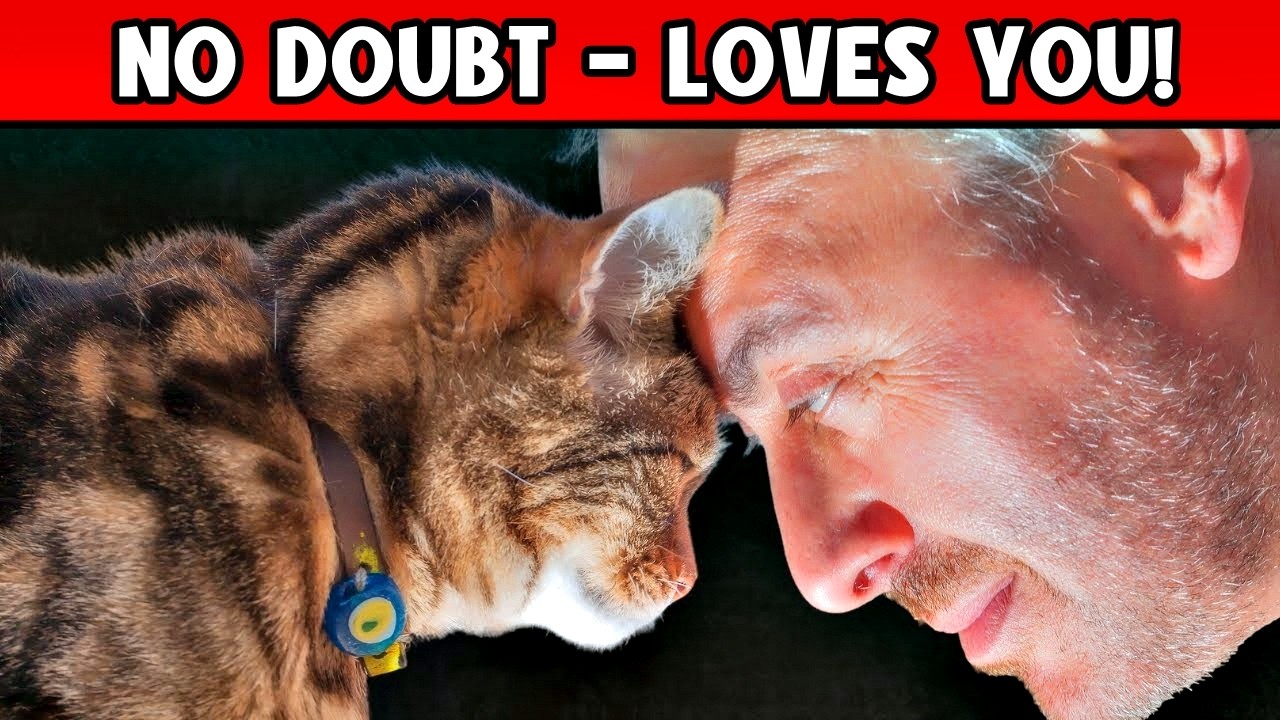
1. They follow you around the house.
Have you ever noticed that when you head to the kitchen for a glass of water, a pair of eyes is quietly watching you? Before you even reach your destination, your cat is already trailing behind you like a shadow. While cats are often perceived as independent creatures, this behavior reveals something deeper. Studies have indicated that cats view their caregivers as a secure base, much like how children see their parents. Following you from room to room is their way of remaining close to someone they trust and love. This behavior may seem amusing, but it clearly indicates how much your cats value your company. They want to ensure they don’t lose sight of the person they consider the center of their world. In some cases, cats may even follow you strategically, as if to monitor and ensure you won’t be disappearing again. It’s a clear demonstration of trust and affection, a heartfelt way of saying, “I want to be wherever you are.”
2. They constantly rub against you.
Anyone who has ever owned a cat knows the feeling of being greeted with a gentle rub as soon as they walk through the door. This seemingly simple gesture is one of the most powerful indicators of attachment. When cats rub against you, they are using scent glands located on their head, cheeks, and tail. These pheromones play a crucial role in their world, marking territory and creating a sense of security. However, don’t be misled into thinking that they see you merely as property. This behavior goes beyond physical marking; it is a profound way of forming an emotional bond. If your cat intensifies this behavior after you’ve been away, it is a clear sign they’re reinforcing the connection between you. Moreover, this affectionate gesture is reserved for someone they hold dear, indicating that, if your cat rubs against you, it’s because they truly cherish you.
3. They meow differently for you.
Your cat’s meows could convey far more meaning than you might initially realize. Have you noticed how they use different sounds based on the situation? Perhaps they employ an elongated, persistent meow when they want food, or a sharp one when seeking attention. Pay attention. When interacting with you, cats adapt their meows to communicate more effectively. Research conducted at institutions like the University of Sussex has shown that cats modify their vocalizations to gain our attention, learning which sounds resonate best with their human companions. This behavior underscores how much they value their interaction with you. A soft or melodic meow, especially after a long absence, might be their way of saying, “I missed you, human.” It’s a conscious effort from your cat to enhance the bond between you.
4. They bring you presents.
Imagine arriving home to discover a toy, a feather, or even a small insect left strategically in your path. While this may strike some cat guardians as peculiar, within feline behavior, it represents one of the greatest displays of affection. Cats are natural hunters, and when they offer you something of value, it is their way of saying, “You’re part of my world.” This behavior is reminiscent of a mother cat bringing prey to her kittens as a teaching moment. So, when your cat expresses this behavior, they are treating you as family, someone they wish to care for and protect. Though the gifts may not always be pleasant, they are imbued with emotional significance.
5. They lie down or sleep on your clothes.

Returning home to find your cat curled up on your hoodie or favorite t-shirt is a familiar scenario for many cat owners. But what prompts this behavior? The answer lies in their keen sense of smell. Cats are incredibly sensitive to scents and often associate familiar odors with feelings of safety. Your clothes carry your specific scent, and when they choose to sleep on them, they are seeking emotional comfort. This tendency becomes even more pronounced when you’ve been away for a while. The scent of your clothes acts as an invisible hug, soothing their longing until your return. Studies show that cats with strong attachments to their caregivers often seek out items infused with their scent to feel more secure.
6. They choose high places to watch you.
Have you observed your cat favoring climbing shelves, cabinets, or elevated surfaces to keep an eye on you? This behavior transcends mere predatory instincts—when they opt for these vantage points, they are reinforcing their bond with you. High places provide a sense of security while enabling them to keep you in view. It’s as if they are signaling, “I want to protect you and ensure you’re okay, even from a distance.” Some cats even select elevated spots to maintain a constant watch over their caregiver as they move about the home, creating a unique visual connection that’s just as important as physical closeness.
7. They groom you like another cat.
When your cat begins to lick your hand, arm, or even your face, it’s a profound expression of intimacy. In cat behavior, this type of grooming is referred to as social grooming and is typically extended only among members of their close-knit group. This behavior strengthens social bonds, much like how they interact with fellow felines in the wild. If your cat performs this affectionate act towards you, it signifies that they regard you as part of their family. Additionally, grooming is a self-soothing activity for cats, helping to reduce stress and cultivate a peaceful atmosphere. When they groom you, they are sharing not only affection but also trust and respect.
8. They show anxiety when you’re away.
You return home to find clues that something is amiss: scratches on the furniture, cushions strewn about, or incessant meowing. These signs may indicate separation anxiety, a behavior many people mistakenly attribute only to dogs. However, it is also prevalent in cats. Despite their independent nature, cats can form such deep emotional bonds with their caregivers that they experience distress during separations. Separation anxiety might manifest in various forms, ranging from destructive behavior to excessive vocalizations. When this happens, it’s a clear reflection of how much they miss you and underscores the significance of your presence in their lives.
9. They purr on your lap.
The soothing sound of a cat purring is one of the most comforting experiences for any pet guardian. Yet, the act of purring extends far beyond simple relaxation. When your cat chooses to purr on your lap—especially after you’ve been apart—they’re expressing a mix of relief, contentment, and deep emotional connection. Purring can serve as more than just a sign of happiness; it is also a self-healing mechanism. The vibrations produced by a cat’s purring can help alleviate stress for both your feline friend and yourself. Therefore, when your cat snuggles on your lap and purrs, they are creating a shared moment of comfort, particularly meaningful after a period of separation.
10. They lie on your chest and look into your eyes.
There are few moments more heartwarming than when your cat chooses to nestle on your chest and gaze directly into your eyes. This seemingly simple act represents one of the deepest expressions of trust and affection a cat can display. In the feline world, direct eye contact is a gesture reserved for those they trust completely. When your cat looks into your eyes, it sends a message that says, “You are my safe haven.” Lying close allows them to hear your heartbeat, a sound they associate with calmness and security. It harkens back to their earliest days when the comforting rhythm of their mother’s heartbeat made them feel entirely at ease. This moment transcends mere affection; it embodies the profound connection that exists between the two of you. If your cat shares this experience with you, it’s a testament to how vital you are in their life.
Through these ten signs, your cat clearly expresses their love for you. Now that you’re aware of how they convey their feelings, let’s explore what specifically makes your cat cherish you so much. Here are ten things that cats love the most about their guardians, all backed by scientific evidence.
1. Quality feeding at the right time.
The first essential aspect of your cat’s well-being is feeding. Cats are creatures of habit and greatly appreciate routine. Research shows that regular feeding schedules help regulate feline metabolism, reducing the chances of obesity and digestive issues. Providing a high-quality diet, rich in proteins and essential nutrients, is equally crucial. When you consistently feed your cat at the appropriate times and with the right foods, you reinforce their trust in you to meet their basic needs, ultimately strengthening the bond you share.
2. Interactive play that stimulates hunting.
Observe how your cat perks up at the mere sound of a toy mimicking prey. This response activates their natural hunting instincts. Engaging in interactive play, which simulates the thrill of the hunt, not only offers physical exercise but also mentally stimulates them. These play sessions are vital to prevent boredom and reduce undesirable behaviors, such as scratching the furniture or exhibiting aggression. Setting aside dedicated time to play with your cat using feather wands, lasers, or mechanical toys enriches their lives and fortifies your relationship. Just remember, if you use a laser pointer, make sure to offer them a tangible reward afterward to avoid frustration.
3. Affection in the right places and at the appropriate time.
While cats are often labeled as independent, many of them enjoy affection, provided it is given in the right manner and timing. Research indicates that cats generally prefer to be petted in certain areas such as the base of the ears, under the chin, and along the back. In contrast, touching their belly or paws might cause discomfort. Being mindful of your cat’s preferences is essential for positive interactions. If your cat purrs, slowly closes their eyes, or nudges your hand, these are clear signs they appreciate your affection. Respecting their individualized needs for touch enhances your bond and builds trust.
4. An enriched and safe environment to explore.
Cats are naturally curious creatures, and an enriched environment is essential to satisfy this curiosity. Providing scratching posts, elevated shelves, diverse toys, and hiding spaces is fundamental for mental stimulation. Studies confirm that stimulating environments contribute positively to feline mental health, preventing stress and depression. Creating spaces where your cat can climb, jump, and explore fulfills their instinctive desires.

5. Effective verbal and nonverbal communication.
Do you converse with your cat? If not, it’s time to start. Studies have demonstrated that cats can recognize their guardians’ voices and respond to different tones. Speaking softly can have a calming effect, while a lively tone can stimulate play. Nonverbal communication is equally vital. The renowned slow blink is a gesture of trust and affection in the feline world. When you blink slowly at your cat and they reciprocate, you establish a meaningful connection that strengthens the bond you share.
6. Respect for individual space and autonomy.
Understanding the importance of your cat’s personal space is critical for a harmonious relationship. Cats value having control over how and when they interact. Forcing affection or playtime can lead to stress and trigger aggressive behaviors. Research indicates that when cats feel they can approach you on their terms, it enhances their trust. Additionally, it’s important to respect their resting spots. If your cat is sleeping or enjoying some quiet time in their favorite area, avoid disturbing them. Acknowledging their need for autonomy helps them feel secure and valued.

7. Consistent routine, the pillar of security.
Cats thrive on predictability. A consistent daily routine fosters a sense of security and control over their environment. This includes structured times for feeding, play, and your return home. Abrupt changes can cause stress, manifesting as excessive vocalizations, territory marking, or loss of appetite. Maintaining a stable routine minimizes anxiety, creating a safe and confident atmosphere for your feline friend.
8. Healthcare: Demonstrating love through prevention.
Regular visits to the veterinarian are a key expression of love and responsibility. Although cats may not welcome the veterinary experience, these check-ups are vital for disease prevention and promoting a long, healthy life. Key components, such as vaccinations, parasite treatments, and routine examinations, are fundamental to feline care. Studies show that cats receiving preventive healthcare enjoy improved quality of life, with a lower risk of serious health issues. Caring for your cat’s health conveys your deep concern for their well-being.
9. Comfort and coziness in special spaces.
Cats adore comfort, and who can blame them? Providing soft beds, warm blankets, and cozy hiding spots is a wonderful way to demonstrate your affection. Research indicates that comfortable environments significantly reduce stress and promote better quality sleep. Offering various resting options allows your cat to select where they feel safest and most comfortable throughout the day, especially in multi-pet households or busy environments.
10. Positive reinforcement as a tool for learning and affection.
Utilizing positive reinforcement is one of the most effective strategies for teaching cats desired behaviors. Rather than punishing negative actions, reward positive ones. This can include treats, affection, or toys. Animal behavior studies reveal that cats learn more effectively when rewards are tied to specific behaviors. For instance, if you want them to use their scratching post instead of the sofa, reward them when they choose the correct option. This approach not only cultivates a more harmonious household but also strengthens your relationship, as cats begin to associate your presence with enjoyable experiences.
In addition to these key points, here are some supplementary tips to further enhance your connection with your feline companion.
– Alactory stimulation with catnip and pheromones can engage your cat’s powerful sense of smell. Catnip offers them moments of joy and relaxation, while synthetic pheromones available in sprays or diffusers can promote a sense of well-being and reduce stress.
– Provide mental challenges and interactive toys. Intelligent and curious, cats appreciate engaging puzzles that require them to think and strategize to obtain a reward, such as toys that dispense treats.
– Consider auditory enrichment with soft music. Some studies suggest that classical music or ambient sounds of nature can have a calming effect on cats, particularly useful in stressful situations like storms or fireworks.
– Engaging in visual contact and showing undivided attention is vital during interactions with your cat. Gentle eye contact (without prolonged staring) and your attentive presence reinforce the emotional bond between you.
– Establish a grooming routine and maintain hygiene. Many cats relish being brushed, which also aids in preventing hairballs. Making grooming a cherished ritual can be beneficial for both of you.
– Finally, invite your cat to participate in household activities—whether following you around the kitchen or lounging together while watching TV—satisfies their curiosity and strengthens your affectionate relationship.
Now equipped with these insights, you can transform your coexistence with your feline companion into a more rewarding experience. Remember, every cat is unique, and it’s essential to observe and comprehend your cat’s specific behaviors to effectively cater to their needs. By continuing to learn more about cats and enhancing your understanding, you can ensure a loving and joyful partnership with your furry friend.