Many cat lovers truly believe that our feline companions perceive us as more than mere caregivers; they may actually see us as maternal figures. In this piece, we will explore various signs that strongly indicate your cat sees you as their mother. It’s fascinating to discover the depth of this relationship and the behaviors that signal their attachment to you. So, let’s delve into these signs and their meanings.
Sign one is the behavior of sleeping with you. Sleep is a vulnerable time for cats, and when they choose to rest by your side, it indicates they view you as a protector and a source of comfort. In the wild, kittens instinctively snuggle close to their mothers during sleep to keep warm and safe from potential predators. By mimicking this behavior with you, your cat is demonstrating trust and seeking security in your presence.
The second sign is when your cat seeks you out when they feel scared. All living beings have a flight response to threats, and for cats, this often means finding shelter. If something startles your cat, such as a loud noise or an unexpected visitor, and they rush to you, they are indicating that they see you as their safety net. This behavior harkens back to their early days as kittens, when they would instinctively look for their mother – their shield from the uncertainties of the world.
The third sign is when your cat waits for you. If your feline friend often sits by the door, anticipating your arrival, they are showing a level of attachment and dependence. Your presence is linked to numerous positive experiences – whether it’s playtime, feeding, or mere companionship. They’ve developed a routine around your activities and, when you’re absent, they may feel a void. This waiting behavior reinforces their bond with you, marking you as an anchor in their domestic life.
Sign four involves slow blinking at you. In the feline world, direct eye contact can often be taken as a challenge or a threat. However, when a cat slowly closes its eyes in your presence, it’s a clear sign of trust and relaxation. This slow blink can be likened to a kiss, expressing vulnerability and contentment. You might even try to reciprocate this affectionate gesture by slowly closing and opening your eyes as well, which can further enhance the bond between you and your cat.

The fifth sign is when your cat shows their belly to you. A cat’s belly is a vulnerable area; predators often target it as it is less protected. When your cat exposes this area, they are communicating deep trust and contentment. A stressed or anxious cat typically does not display their belly, so if your cat frequently shows this sign, it’s a strong indication of their comfort in your company. However, while they may reveal their belly, it’s crucial to remember that not all cats appreciate belly rubs.
If you’re enjoying the insights shared so far, it’s great to keep in mind that a little encouragement goes a long way in helping creators continue their work.
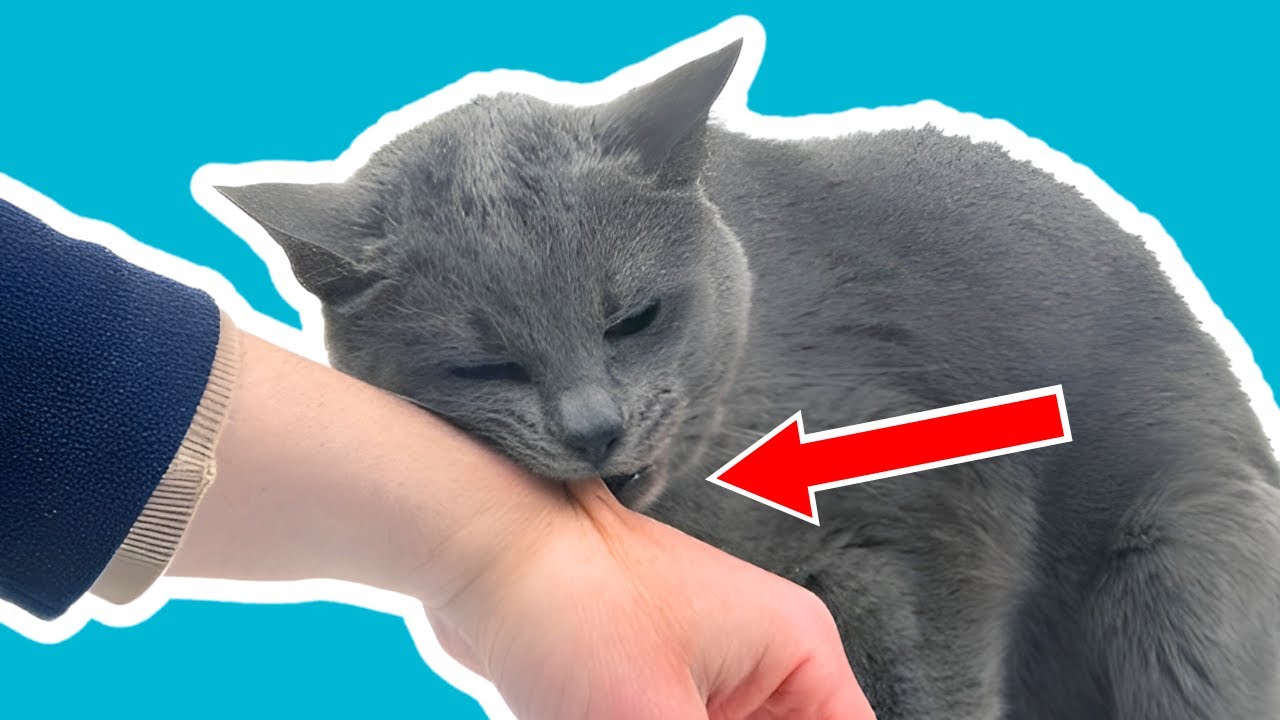
Moving to sign six, gentle biting is a fascinating behavior to explore. While many might initially interpret this as aggression, it’s essential to note that there is a distinction between fear or aggression-driven bites and what many affectionate cat owners refer to as playful bites. These gentle nips or nibbles often occur during moments of affection or play, reminiscent of how kittens interact with one another. Thus, when your cat gives you a gentle bite, they are extending this playful form of communication to you, reinforcing their bond.

Sign seven focuses on your cat’s response to your voice. This isn’t merely about recognizing you; it’s deeper than that. While cats can identify the voices of all household members, their reaction often depends on their relationship with each individual. If your cat comes running when you call or reacts by purring louder when you speak to them, they’re indicating that your voice holds a special significance in their world. Studies have shown that kittens can recognize their mother’s calls very early in their lives, and for your cat, responding to your voice could mean they associate it with safety and care.
The eighth sign is when your cat sits on your belongings. Cats have scent glands in various parts of their bodies, including their cheeks and the base of their tails. In the wild, cats use scent marking to establish territories and warn other cats to stay away. However, when your domestic cat chooses to sit on your possessions, it’s a different message altogether. This behavior illustrates a desire to strengthen their bond with you. By sitting on your belongings, they intermingle their scent with yours. It’s a way of saying, “we belong together.”
Next, sign nine: if your cat approaches you with their tail raised, it signifies trust and happiness in your presence. A raised tail is often a clear indication that a cat is feeling relaxed and in control of their environment. This behavior can also be traced back to early interactions with their mothers, where a secure kitten would confidently approach its mom with its tail held high. As your cat grows and develops a bond with you, this behavior transfers, signaling their comfort and affection.
Sign ten revolves around your cat waiting to eat until you’re present. Have you ever noticed that your cat sometimes seems to hold off on their meal until you arrive? This behavior goes beyond simple hunger; it reflects the deep bond and trust they’ve established with you. In their wild ancestors, eating could leave a cat vulnerable to threats. Therefore, relying on a trusted companion during meal times indicates a level of security. When your cat waits for you before eating, they’re showing you that they feel safe with you, reinforcing your role as a caregiver and protector.
The eleventh sign is when your cat licks your hair or face. Mutual grooming is a common behavior in cats, serving to strengthen social bonds. If your cat attempts to lick you, it’s a gesture of love, placing you within their circle of trust and treating you as family. This grooming behavior is also comforting for them; just as a mother cat licks her kittens to clean them and provide reassurance, your cat may be expressing their care for you through this affectionate licking.
Finally, sign twelve is that captivating behavior known as kneading. Cats have a charming habit of kneading soft surfaces with their paws, a movement often likened to making bread. This action has its roots in their kittenhood, where it served the purpose of stimulating their mother’s milk flow during feedings. Though they no longer need to knead for nourishment, this behavior remains as a source of comfort – a reminder of a time when they felt warmth and security. Thus, when your adult cat kneads on you, they are signaling that they associate you with the same level of comfort and care they once received from their mother.

Understanding these signs can help deepen the bond between you and your cat. Recognizing that your feline friend views you with such affection can be truly heartwarming. If you are eager to learn even more about the captivating world of cats and how to care for them better, check out another one of our videos that discusses nine everyday things that may inadvertently hurt your cat’s feelings.
The connection between you and your cat is a unique and special one, and by understanding these behaviors, you can appreciate more fully the love and trust they hold for you.