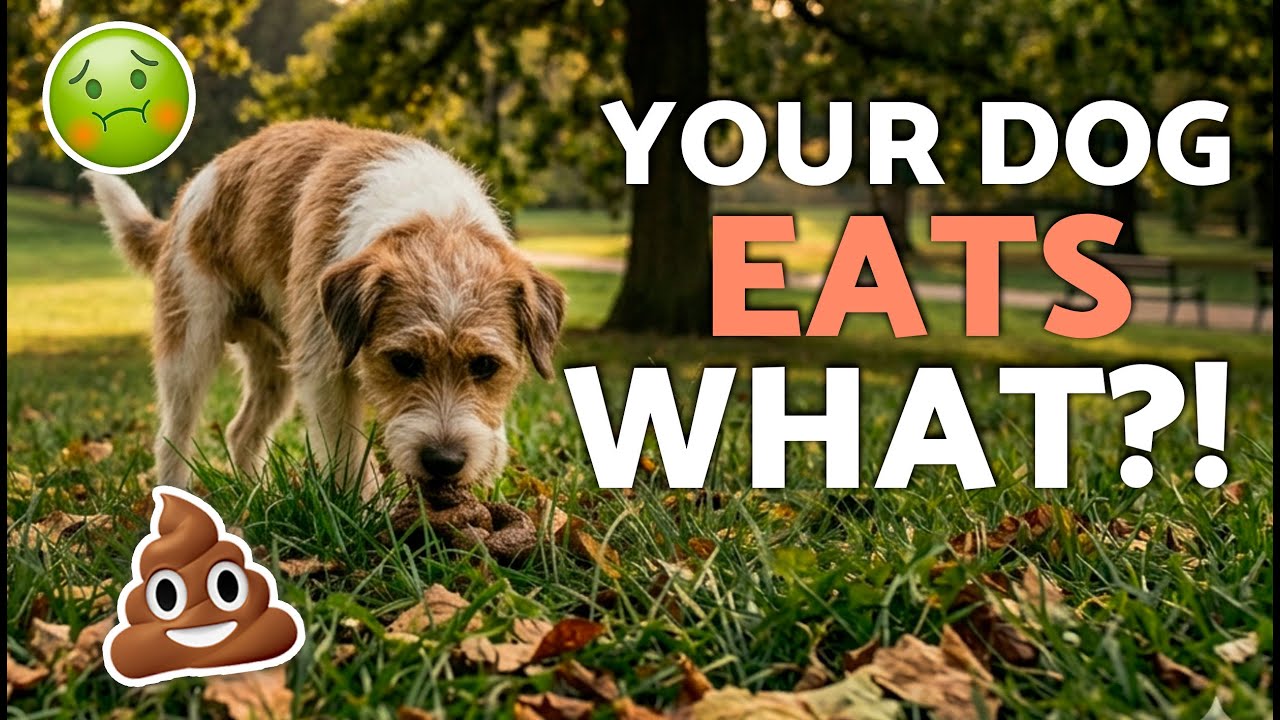
Did you know that nearly one in four dogs regularly eat poop? As disgusting as it sounds, this behavior is actually much more common than most dog owners think. Most people would never imagine that their beloved pet could engage in such a repulsive act, but the statistics reveal a surprising truth about canine behavior. Research and surveys have consistently shown that a significant portion of the dog population participates in this habit, making it far from an isolated or rare occurrence.
But here is the 𝓈𝒽𝓸𝒸𝓀𝒾𝓃𝑔 part. In some cases, eating feces can be linked to stress, nutritional deficiencies, or even hidden health problems. What appears to be a simple behavioral quirk on the surface may actually be a sign of something more serious happening beneath the surface. A dog that suddenly develops this habit, or that engages in it with unusual frequency, might be trying to tell us something important about its physical or emotional state. This leads us to ask whether we should be worried if our dog does it.
The scientific name for feces-eating behavior is coprophagia. This term comes from the Greek words kopros, meaning feces, and phagein, meaning to eat. It is a recognized behavior in the animal kingdom, and while it may seem horrifying to us as humans, for dogs it can sometimes be a natural and instinctive behavior. This behavior can happen in puppies or adult dogs, and it is not limited to any particular breed, age, or size. Some dogs eat their own poop, while others prefer the feces of other dogs or even other animals like cats. Each dog may have its own personal preference when it comes to the type of feces they find appealing.
But why would they do something so gross? Well, there is not just one answer. The reasons behind coprophagia are varied and complex, and they often depend on the individual dog, its upbringing, its environment, and its overall health. Understanding these reasons is the first step toward addressing the behavior in a compassionate and effective way.
One of the most common reasons is instinct. Mother dogs naturally lick and consume the feces of their puppies during the first weeks of life to keep the den clean and avoid attracting predators. This behavior is deeply ingrained in canine biology. In the wild, a clean den is essential for survival because the scent of waste could draw predators to the location of the vulnerable puppies. By removing all traces of feces, the mother protects her young from danger. Some puppies may imitate this behavior as they grow up, simply copying what they observed their mother doing during their earliest weeks of life. In the wild, keeping the living area clean is essential for survival. So, even though our domestic dogs no longer need this instinct in the same way, traces of it can still remain.
As strange as it sounds, some dogs simply enjoy it. Dogs experience the world through smell and taste very differently from humans. Their sense of smell is thousands of times more powerful than our own, and they use their mouths to explore and understand their environment in ways we cannot easily relate to. Certain feces, especially cat poop, may smell appealing to them because of the high protein or fat content. Cat feces in particular often contains partially digested nutrients, making it extra tempting for dogs. Cats are obligate carnivores, meaning their diet is rich in meat-based proteins. Their digestive systems are not always efficient at breaking down every nutrient, which means that what comes out the other end can still contain a surprising amount of nutritional value from a dog’s perspective. Disgusting? Absolutely. Unusual? Not really.
Sometimes, poop eating is linked to emotional problems. Dogs that spend too much time alone, lack mental stimulation, or suffer from anxiety may develop compulsive behaviors, including coprophagia. A bored dog will often look for anything interesting to do, even something unpleasant. When a dog does not receive enough physical exercise, mental enrichment, or social interaction, it may resort to finding its own forms of entertainment. Unfortunately, those forms of entertainment are not always what we would consider appropriate. Stressful environments, punishment-based training, or lack of exercise can also increase this behavior. Dogs that live in unpredictable or harsh conditions may turn to behaviors like coprophagia as a way to cope with their anxiety. That is why daily walks, enrichment toys, and playtime are extremely important. Providing your dog with a structured routine and plenty of opportunities to engage its mind and body can go a long way toward preventing unwanted behaviors.
In some cases, dogs may eat poop because they are missing nutrients in their diet. Poor quality dog food, malabsorption issues, or digestive disorders can cause dogs to seek additional nutrients from unusual sources. If a dog’s regular diet does not provide all the essential vitamins, minerals, and macronutrients it needs, the dog may instinctively try to fill that gap by consuming other materials. Conditions affecting the pancreas or intestines may prevent proper nutrient absorption, making the dog constantly hungry even when it is eating a normal amount of food. If your dog suddenly starts eating feces regularly, especially as an adult, it is important to consult a veterinarian to rule out medical problems. This is particularly important if the behavior appears together with weight loss, vomiting, diarrhea, excessive hunger, or low energy. A sudden change in behavior is often one of the first signs that something is wrong internally.
Believe it or not, some dogs learn that eating poop gets a huge reaction from their owners. Think about it. Your dog eats poop and suddenly you scream, chase them, or panic. For some dogs, even negative attention is still attention. In the mind of a dog that is feeling bored or neglected, any interaction with its owner can be reinforcing. Over time, this reaction can accidentally reinforce the behavior. The dog learns that performing this specific action results in a predictable and exciting response from its human, and it may repeat the behavior simply because it works. That is why experts recommend staying calm and focusing on prevention instead of punishment. Rather than reacting dramatically when the behavior occurs, it is more effective to manage the environment, clean up feces promptly, and redirect the dog’s attention to more appropriate activities.
Is eating poop dangerous? Sometimes it is harmless, but it can also be risky. Eating feces may expose dogs to parasites, harmful bacteria, viruses, or toxic substances. This is especially dangerous if the feces comes from other animals whose health status is unknown. Dogs that consume the waste of other dogs or cats may pick up intestinal parasites like roundworms, hookworms, or giardia. They may also be 𝓮𝔁𝓹𝓸𝓼𝓮𝓭 to harmful bacteria such as E. coli or salmonella, which can cause serious gastrointestinal illness. In some cases, dogs can become seriously ill after consuming contaminated poop. While occasional coprophagia may not always signal a serious issue, it should never be completely ignored. It is always better to err on the side of caution and investigate the underlying cause.
The answer as to why dogs eat feces can range from instinct and curiosity to boredom, stress, or even health issues. Every dog is an individual, and the reason behind its behavior may be different from another dog’s. By paying close attention to your dog’s habits, environment, and overall well-being, you can begin to piece together the puzzle. The good news is that in most cases, this behavior can be corrected with patience, proper training, and a good daily routine. With consistent effort and a calm approach, many dogs can be successfully redirected away from coprophagia and toward healthier habits.