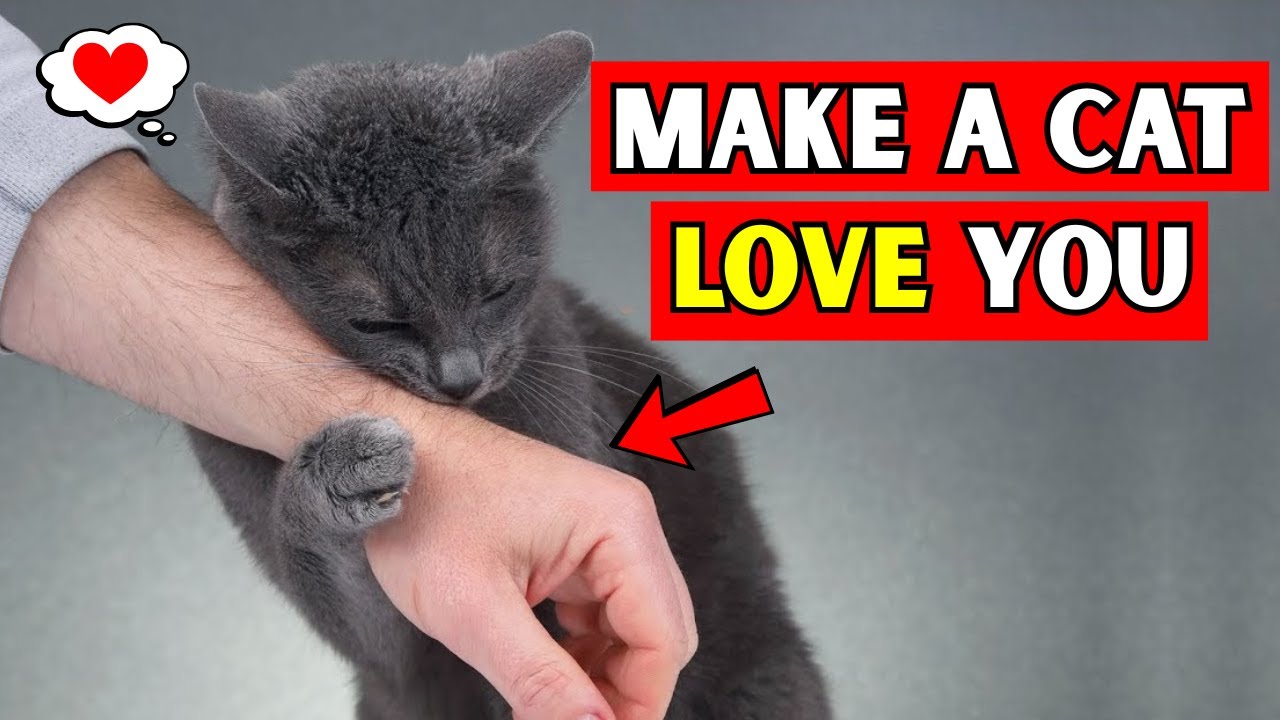
Have you ever wondered why cats seem to like some people instantly and completely ignore others? It turns out there is a reason for that. In this video, we will share 15 science-backed ways to get a cat to like you by doing what most people never think to do.
Number one, let the cat make the first move. When you see a cat, your first instinct is probably to reach out and pet them. They are small, fluffy, and adorable, so that reaction makes sense. But when it comes to cats, trying too hard is often the exact reason they keep their distance. Research shows that the best way to get a cat to like you is to stop trying to impress them at all. A study conducted in Switzerland looked at how cats respond to human attention. The researchers found that cats were far more likely to approach people who did not actively try to interact with them. When humans sat still, avoided direct staring, and focused on something else, like reading a book or looking at their phone, cats approached more often and stayed longer. The reason for this comes down to control. Cats are highly independent animals, and feeling trapped or pressured can quickly make them uncomfortable. When you let a cat decide when to approach, they do not feel threatened. Instead, they feel curious. And curiosity is what opens the door to positive interactions. This also explains a common experience many cat owners joke about. Cats often seem drawn to people who claim they do not like cats or are allergic to them. These people tend to ignore the cat, avoid reaching out, and give them space. To a cat, that behavior feels safe and respectful. So, if you really want a cat to like you, resist the urge to initiate contact. Sit down, relax, and let them observe you first. When a cat chooses to come over on their own terms, that interaction starts on a positive note and you have already earned their trust before you ever touch them.
Number two, do not corner or crowd them. Cats may be small, but they are extremely aware of their surroundings. One of the fastest ways to make a cat uncomfortable is by standing too close, leaning over them, or cutting off their escape routes. To a cat, feeling trapped can instantly trigger stress, even if your intentions are friendly. Animal behaviorists explain that cats are both predators and prey. This means they are naturally wired to watch for danger and always keep an exit in mind. When a person moves into their space too quickly or blocks their path, the cat may interpret that as a threat. Their response might be subtle, like freezing or flicking their tail, or more obvious, like hissing or backing away. Studies on feline stress behavior show that cats are significantly calmer when they know they can leave a situation whenever they want. Freedom of movement gives them a sense of control, and that sense of control directly affects how relaxed they feel around humans. A relaxed cat is far more likely to engage, explore, and interact. This is why approaching a cat head-on or towering over them often backfires. Instead, try standing to the side, moving slowly, or sitting down to lower your presence. If the cat chooses to walk away, let them. Chasing after them or repositioning yourself in their path only reinforces the feeling that they are being cornered. Giving a cat space does not mean ignoring them forever. It means showing them that you respect their boundaries. When a cat realizes you will not trap or pressure them, their confidence grows. And as their confidence grows, so does their willingness to come closer on their own terms.
Number three, pet them where they actually enjoy it. When a cat finally lets you pet them, it can feel like a green light to touch everywhere. But this is where many people accidentally ruin a good moment. Not all petting feels good to cats, and touching the wrong area, even with good intentions, can quickly turn a calm interaction into an uncomfortable one. Researchers at the University of Lincoln studied how cats react to being touched in different areas of their bodies. They found that cats show the most positive responses when they are gently stroked around the cheeks, under the chin, between the eyes, and near the base of the ears. In these areas, cats are more likely to purr, knead, and lean into the touch. There is a reason for this. These spots contain scent glands that cats use for social bonding. When cats rub their faces against each other or against furniture or people, they are marking familiar and trusted objects with their scent. Petting a cat in these areas mimics the natural grooming behavior that happens between friendly cats, which helps them feel safe and relaxed. On the other hand, petting areas like the sides, back, or lower body can be hit or miss. While some cats tolerate it, others may become overstimulated very quickly. A cat might enjoy the first few seconds, then suddenly flick their tail, flatten their ears, or walk away. The key is to start small and pay attention. Begin with short, gentle strokes in the face and head area, and pause often to see how the cat responds. If they lean in or rub back against your hand, that is a good sign. When you focus on the places cats truly enjoy, petting becomes a bonding experience instead of a risk.
Number four, avoid the belly and tail base. A cat rolling onto their back and showing their belly might look like an invitation, but in most cases, it is not. While dogs often expose their bellies to ask for rubs, cats do it for a very different reason. For cats, the belly is one of the most sensitive and vulnerable parts of their body, and touching it can quickly make them feel threatened. Animal behavior studies show that a cat’s abdomen houses vital organs with very little protection. Because of this, cats are instinctively defensive about this area. When a human reaches for their belly, the cat’s survival instincts can kick in. What starts as a calm moment can suddenly turn into kicking, grabbing, or biting, not because the cat is aggressive, but because they are protecting themselves. The base of the tail can be just as tricky. Research suggests this area is highly sensitive, and for many cats, petting it causes overstimulation rather than comfort. At first, a cat might tolerate it, but within seconds, you may notice their tail swishing faster, their ears turning sideways, or their body tensing. These are early warning signs that the sensation is becoming too much. Many people miss these signals and continue petting, thinking the cat is enjoying it. But from the cat’s perspective, those signals are a polite request to stop. Ignoring them can damage trust and make the cat less willing to engage in the future. A good rule of thumb is this. If a cat has not clearly shown that they enjoy being touched in a certain area, do not assume they do. Stick to safer zones like the cheeks and head, and always watch for signs of discomfort. Respecting these boundaries helps cats feel secure, and secure cats are far more affectionate.
Number five, watch their body language closely. Cats do not communicate discomfort with words, but they are constantly sending signals through their bodies. The challenge is that these signals are often subtle and many people do not notice them until it is too late. Learning to read a cat’s body language is one of the most important skills for building trust. Some of the earliest signs of discomfort include a slowly twitching tail, ears turning sideways or flattening back, and pupils suddenly becoming very large. These signals do not mean the cat is being aggressive. They mean the cat is starting to feel uneasy. At this stage, the cat is giving you a chance to adjust your behavior before the situation escalates. Feline behavior experts explain that cats prefer to avoid conflict whenever possible. Rather than biting or scratching right away, they use body language to communicate their limits. If these warnings are ignored, the cat may feel forced to defend itself. This is why people often say, “A cat attacked out of nowhere,” when in reality, the signs were there all along. Responding quickly makes a huge difference. If you notice tail flicking or tense posture, pause the interaction or gently step back. When a cat learns that you listen to their signals and respect their boundaries, they begin to feel safer around you. Over time, this builds trust. The cat understands that they do not need to escalate their behavior to be heard. Instead, they can relax, knowing you will back off when needed. The more consistently you respond to these subtle cues, the more confident the cat becomes. And confident cats are far more willing to engage, cuddle, and choose your company.
Number six, end the interaction before it turns negative. When a cat is enjoying your attention, it is natural to want to keep the moment going. The purring, the relaxed posture, the slow blinks, it all feels like a sign to continue. But with cats, knowing when to stop is just as important as knowing how to start. In fact, overstaying your welcome is one of the quickest ways to damage trust. Research from the University of Zurich examined how cats interact with humans and found that interactions are more successful and last longer when the cat controls both the beginning and the end. When humans decide when an interaction stops, cats are more likely to become overstimulated or stressed. When cats get to walk away on their own terms, they remain relaxed and confident. Cats have a lower tolerance for prolonged physical contact than many people expect. Even enjoyable sensations can become overwhelming if they last too long. This is why a cat might seem content one moment and irritated the next. The shift often happens when subtle warning signs like tail flicking or muscle tension are ignored. Ending an interaction early before any negative signals appear creates a positive memory for the cat. From their perspective, the experience ended on a good note. There was no stress, no need to defend themselves, and no loss of control. That positive association makes them more likely to seek you out again later. It may feel counterintuitive, but walking away first can actually strengthen your bond. When a cat learns that you will not push past their comfort zone, they begin to trust you more. And when that trust builds, the cat will often come back, sometimes sooner than you expect, ready for the next interaction on their own terms.
Number seven, mind your scent. When a cat meets you, the first thing they notice is not how you look or how you sound, it is how you smell. A cat’s sense of smell is estimated to be around 14 times stronger than a human’s, and they rely on it to identify people, places, and safety. What seems mild or pleasant to you can be intense or even stressful to a cat. Strong scents like perfume, cologne, scented lotions, or cleaning products can be overwhelming. Even everyday smells such as hand soap, laundry detergent, or deodorant may linger far longer than you expect. Cats can also react strongly to the scent of other animals. If you have recently been around another cat or a dog, that unfamiliar smell on your clothes can make a cat cautious or avoidant. This is why a cat might walk up, sniff your hand, and then immediately pull away. It is easy to take this personally, but in most cases, it has nothing to do with you as a person. The cat is simply processing a smell they do not recognize or do not feel comfortable with yet. Feline behavior experts recommend keeping scents as neutral as possible when interacting with cats. Using unscented soaps, shampoos, and lotions can make a noticeable difference. If you are visiting a new cat or bringing a cat into your home, minimizing strong odors helps create a calmer first impression. Scent plays a huge role in trust for cats. When you smell familiar, neutral, or non-𝓉𝒽𝓇𝑒𝒶𝓉𝑒𝓃𝒾𝓃𝑔, a cat is more likely to relax around you. Over time, as the cat associates your natural scent with safety and positive experiences, they become more comfortable being close. Sometimes earning a cat’s trust starts with something as simple as smelling like nothing at all.
Number eight, use a cat-style greeting. When humans meet, we shake hands, wave, or hug. Cats have their own version of a polite greeting, and it looks very different. Instead of physical contact right away, cats typically greet each other with a brief nose-on-nose sniff. This allows them to gather information through scent before deciding how comfortable they feel. You can use this same approach when greeting a cat. Rather than reaching down to pet them, slowly extend a relaxed fingertip at their nose level. Keep your hand still and let the cat decide whether to engage. Your finger acts as a non-𝓉𝒽𝓇𝑒𝒶𝓉𝑒𝓃𝒾𝓃𝑔 stand-in for a cat’s nose, offering them a chance to investigate you on their terms. Many cats will lean forward to sniff your finger. Some may pause and walk away, which is completely normal. Others might take it a step further and rub their cheek or the side of their face against your hand. This behavior is especially meaningful. When a cat rubs their face on you, they are depositing scent from glands in their cheeks, marking you as familiar and safe. Feline behavior experts note that forcing physical contact too early can overwhelm cats. By starting with a scent-based greeting, you are speaking their language. You are giving them time to assess you without pressure, which lowers their stress and builds trust. The key is patience. If a cat backs away, do not follow them or push the interaction. Simply stay relaxed and let them return if they choose. Using a cat-style greeting shows respect for their instincts. And when cats feel respected, they are far more likely to welcome you into their space.
Number nine, slow blink to show trust. Eye contact means very different things to cats than it does to humans. While people often use eye contact to show interest or affection, cats use staring as a sign of focus or threat. In the wild, an unblinking stare usually happens right before a chase or attack. So, when a human locks eyes with a cat, it can make the cat feel uneasy without either of you realizing why. Cats have another way of communicating calm and trust. Slow blinking. When a cat slowly closes and opens their eyes, it is a signal that they feel relaxed and safe. Feline behavior researchers have studied this behavior and found that cats respond positively when humans imitate it. In controlled studies, cats were more likely to approach and interact with people who slowly blinked at them compared to those who maintained a neutral or staring gaze. Using this technique is simple. When a cat looks at you, soften your eyes and slowly close them for a second or two. Then gently open them again. Keep your face relaxed and avoid leaning forward. This small gesture tells the cat that you are not a threat and that you are comfortable sharing space with them. Many cats will respond by slow blinking back, which is often called a cat kiss. While it may look subtle, this exchange is a powerful trust signal. It shows that the cat feels safe enough to let their guard down around you. The slow blink works especially well with shy or cautious cats. You do not need to touch them or move closer. You are communicating in a quiet, non-invasive way. Over time, these small moments of mutual trust can make a big difference in how comfortable a cat feels around you.
Number 10, get down to their level. From a cat’s point of view, humans are enormous. When you stand over a cat, even with friendly intentions, your size alone can feel intimidating. Looming from above places you directly in their line of sight and can trigger a natural stress response. Cats are highly aware of vertical space, and height often equals power in the animal world. Behavioral studies suggest that cats are more comfortable interacting with humans who reduce their physical presence. When you crouch, kneel, or sit on the floor, you make yourself appear smaller and less 𝓉𝒽𝓇𝑒𝒶𝓉𝑒𝓃𝒾𝓃𝑔. This change in posture signals to the cat that you are not trying to dominate the space. Getting down to a cat’s level also allows for more natural interaction. Instead of reaching down from above, which can feel invasive, your movements become slower and more predictable. This gives the cat time to observe you, approach if they choose, or simply relax nearby. Many cats are more willing to come closer when humans are seated or lying down. In these positions, cats often initiate contact by walking over, sniffing, or brushing against a person’s legs or arms. These interactions happen because the cat feels safe enough to take the lead. It is important to move slowly when changing positions. Sudden movements, even when sitting down, can startle a cat. Once you are at their level, stay relaxed and avoid reaching out immediately. Let the cat decide how close they want to be. By lowering yourself physically, you are also lowering the emotional pressure of the interaction. You are communicating patience and respect. Over time, cats learn that being near you does not feel overwhelming, and that makes them far more likely to seek out your company on their own.
Number 11, never block their escape routes. Cats are naturally cautious creatures. In the wild, they are both predator and prey, so having a clear path to retreat is essential for their sense of safety. When a cat feels trapped or blocked, even unintentionally, it can trigger anxiety, stress, or defensive behaviors like hissing, swishing their tail, or even sudden lunges. Blocking a cat’s exit sends the opposite message of trust. While you might think keeping them close encourages bonding, it often has the reverse effect. A cat that cannot leave a space feels pressured, and pressure quickly turns into tension. Behavioral studies on feline stress consistently show that cats are far more relaxed when they know they can freely come and go from a room or situation. Giving a cat the ability to retreat does not mean they will immediately leave. In fact, the opposite is true. When a cat knows they have control over their environment and can leave whenever they want, they are more likely to stay voluntarily. This sense of autonomy helps them feel safe, and safety is the foundation of trust. Practical ways to respect this include always keeping pathways open, avoiding cornering a cat in small spaces, and being mindful when you approach. If a cat starts to move away, do not follow them aggressively. Instead, let them set the pace. Even partially blocking their exit can make them feel confined, so it is best to give them multiple options to move freely. By allowing cats full freedom of movement, you are signaling that you respect their instincts and boundaries. Over time, this creates a calmer, more confident cat. And paradoxically, when cats feel safe and unpressured, they are far more likely to stick around, explore, and initiate contact on their own terms.
Number 12, use interactive play to build bonding. When it comes to bonding with a cat, many people assume food is the key. While treats can help, research suggests that social interaction and play are even more powerful. A 2017 study from Oregon State University found that cats often prefer engaging with humans through interactive play over food. This means spending time actively playing with your cat can strengthen your relationship far more than simply offering snacks. Interactive play mimics a cat’s natural hunting behavior. Wand toys with feathers, strings, or small dangling objects trigger a cat’s predatory instincts, encouraging them to chase, pounce, and swipe. These actions are not only fun for the cat, but they also provide important mental and physical stimulation. Cats that have outlets for their hunting instincts tend to be less stressed, more confident, and generally happier. From a bonding perspective, interactive play has a unique benefit. It positions you as a partner in a shared activity. The cat is actively engaging with you, and you are responding to their movements and energy. This back and forth interaction is similar to how cats communicate and play with each other in the wild, which makes it feel natural and comforting to them. Timing and consistency are key. Short focused play sessions two or three times a day work better than occasional long sessions. Let the cat chase the toy, occasionally win by catching it, and then let them walk away if they choose. This respects their autonomy and prevents overstimulation, which can quickly turn play into stress. By using interactive play, you are doing more than entertaining your cat. You are building trust, encouraging positive social behavior, and creating a stronger bond. When play becomes a regular part of your routine, your cat starts associating your presence with fun, excitement, and safety. This is a recipe for a lasting, affectionate relationship.
Number 13, choose treats strategically, not excessively. Treats are one of the most common tools cat owners use to bond with their feline friends. But unlike dogs, most cats are not driven purely by food. This means giving treats indiscriminately will not automatically make a cat like you. In fact, overdoing it can backfire, making the cat expect food every time you approach or even become indifferent to the reward. The key is to use treats strategically. Behavioral experts recommend pairing treats with calm, positive interactions rather than constant bribing. For example, if a shy cat approaches you, offer a small, highly desirable treat to reinforce that their curiosity and presence are safe and rewarding. Similarly, if a cat stays relaxed while you are nearby or responds to gentle gestures, a treat can strengthen that positive behavior. Over time, this creates a clear link in the cat’s mind. Your presence equals safety and pleasant experiences. Treats also work well when paired with your voice. Speaking softly while offering a snack helps the cat associate the sound of your voice with something enjoyable. This can be particularly effective for timid or cautious cats as it reduces anxiety and builds trust gradually. Research in feline behavior shows that repeated positive reinforcement like this strengthens the bond between cat and human more reliably than affection or attention alone. It is important to keep portions small. Cats have tiny stomachs and are prone to overeating, so tiny treats or even a few pieces of their regular kibble work best. The goal is not to feed them, but to use the treats as a communication tool, saying, “You did something good and I respect you.” By using treats strategically, you are teaching your cat to associate you with positive experiences while respecting their natural independence. Over time, this subtle approach encourages cats to seek out your presence willingly, making the bond stronger, healthier, and more trusting.
Number 14, let routine build trust over time. Cats are creatures of habit. Unlike many pets who adapt quickly to changing schedules, cats thrive on predictability. They feel safest when they know what to expect in their environment, from when meals arrive to when playtime or human interaction happens. Establishing a consistent routine is one of the simplest and most effective ways to build trust with a cat over time. Animal behavior research consistently shows that predictable routines reduce stress in cats. A cat whose daily life is chaotic or inconsistent can become anxious, withdrawn, or even aggressive. On the other hand, a cat with a clear schedule feels secure and in control. This sense of security allows them to explore, play, and interact with humans more confidently. Routine does not only apply to feeding. Regular play sessions, consistent grooming, and even predictable quiet time with you present help a cat understand what behaviors and interactions are safe. Cats are quick learners. They begin to anticipate these events and feel comfortable approaching when it is time to engage. Over time, this predictability fosters a deeper sense of trust because the cat learns that you are reliable and non-𝓉𝒽𝓇𝑒𝒶𝓉𝑒𝓃𝒾𝓃𝑔. It is also important to keep interactions consistent in tone and approach. If you are playful and gentle at set times, the cat will start associating you with positive experiences. Similarly, having quiet, relaxed moments when you are near the cat, but not forcing interaction, reinforces a sense of safety. The key takeaway is patience. Trust built through routine is gradual, but it is long lasting. When a cat knows what to expect, they feel secure enough to let their guard down. Predictability creates confidence, and confident cats are affectionate, curious, and far more likely to seek your company willingly. Over time, a structured routine becomes the foundation of a strong, lasting bond.
Number 15, respect their independence. Cats are fiercely independent creatures and that independence is a core part of who they are. Unlike dogs who often seek constant companionship, cats value the ability to make their own choices. They want control over when they approach, how they interact, and how much affection they receive. Respecting this independence is one of the most important ways to build a lasting bond with a feline friend. Trying to force a cat into your lap, picking them up when they want to roam, or insisting on affection can quickly backfire. Even if your intentions are good, the cat may respond with avoidance, hissing, or swatting. These behaviors are not a rejection of you personally. They are simply a natural response to losing control over their environment. When a cat feels cornered or pressured, trust can erode quickly. Behavioral experts emphasize the importance of letting cats lead interactions. Watch their body language closely, respond to subtle signals, and give them the freedom to choose when and how they engage. If a cat decides to approach you, rub against you, or sit nearby, that interaction is meaningful precisely because it is voluntary. In cat terms, this choice signals trust and comfort. Respecting independence also means giving cats space even when you want affection. Allow them to retreat to a favorite spot, explore on their own, or spend time quietly observing. Over time, these small gestures of respect communicate that you honor their autonomy. The reward of this approach is profound. When a cat chooses to be near you, it is because they genuinely feel safe, comfortable, and connected. That choice creates a bond that is deeper and more reliable than anything forced. By respecting their independence, you allow trust, affection, and companionship to grow naturally. And that makes the connection between you and your cat truly special.