When your cat climbs on top of you and falls asleep, do you actually know why they chose that spot? Yes, it feels warm and cozy, but behind that weight on your chest, there’s a stranger reason most people never think about. It’s one of the most vulnerable things your cat can do.
And if you react the wrong way, which most owners do, you might quietly reject something they were trying to tell you.
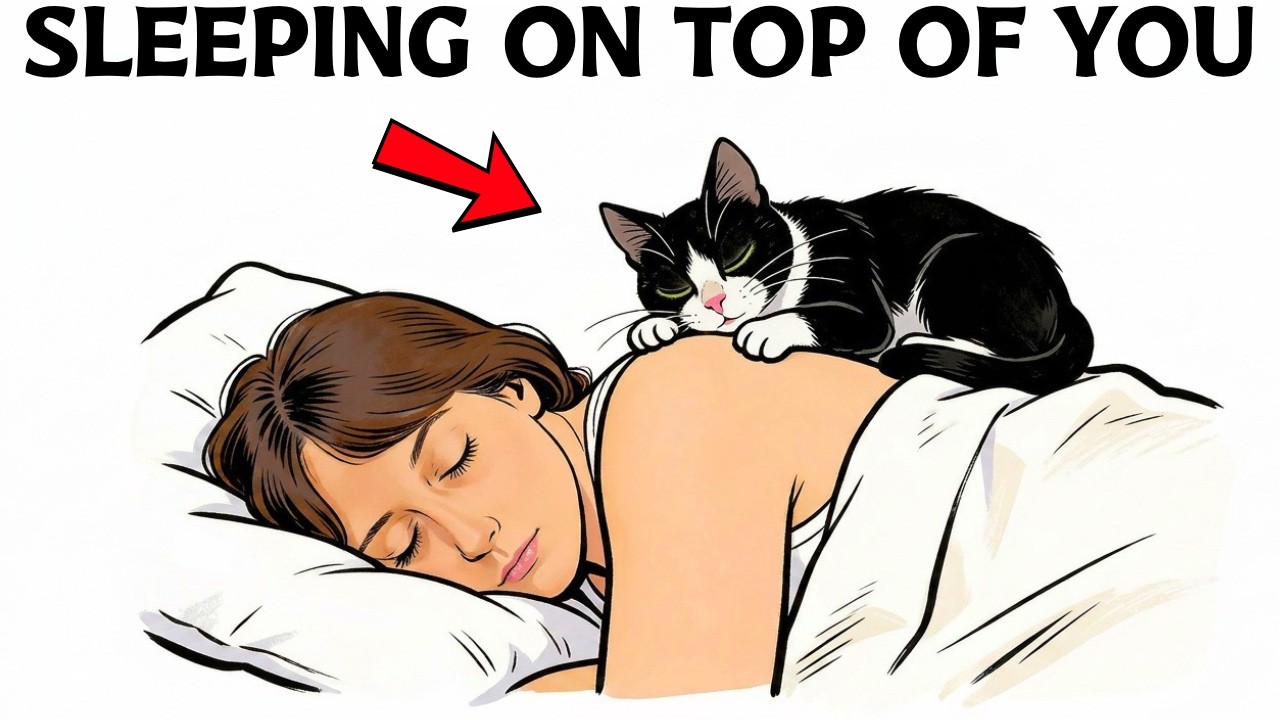 Let’s start with what that position really means.
One, they’re pinning you so you can’t leave. Why does your cat always land right on top of you and not on the empty side of the bed? Because to them, that empty space is useless.
You are the asset. Cats are hardwired to protect the things that keep them alive: food, shelter, warmth, safety. And in your home, every single one of those things traces back to you.
So when your cat climbs on top of you at night and plants themselves right on your body, they’re not snuggling. They’re resource guarding. By physically pinning you down, they make sure you can’t roll away, get out of bed, or be claimed by another pet in the house without them instantly knowing about it.
It’s the same instinct that drives cats to sit on your laptop, your book, or your suitcase when you’re packing. If it matters to them, they sit on it. And nothing in your home matters more to them than you.
Researchers who study multi-cat households have found that cats frequently position themselves on or against their preferred human as a form of passive possession, especially in homes where they compete for attention with other animals. And what makes this even more fascinating is that your cat isn’t just guarding you while they sleep. They’re actually changing something inside their own body just to be there at that exact moment.
We’ll get to that in the final point, and honestly, it might be the most selfless thing your cat does without you ever realizing it.
Two, they’re painting you with invisible scent. Ever wonder why your cat kneads and rubs against you before finally settling down on top of you? That’s not them getting comfortable.
That’s them getting to work. Cats have scent glands hidden all over their body: on their cheeks, their forehead, their paws, their flanks, even the base of their tail. Every single one of those glands produces pheromones, which are invisible chemical signals that carry a message only other animals can read.
 When your cat sleeps on top of you, they’re pressing nearly every one of those glands against your skin at the same time. This is the part most people miss. When your cat sleeps next to you, only one side of their body makes contact.
But when they climb on top of you and flatten down, their cheeks, belly, paws, and flanks are all working at once. It’s full-body scent transfer. They’re literally coating you in a chemical signature that says, “This human is part of my world.”
Cat behaviorist Jackson Galaxy calls this scent soaking. Your body becomes the ultimate scent soaker, absorbing your cat’s oils and pheromones and blending them with your own natural scent. To a cat, that shared scent profile is everything.
It’s how they build a sense of belonging, safety, and social connection. And here’s the thing: feline facial pheromones are actually associated with feelings of safety, familiarity, and contentment. So when your cat paints you with their scent, they’re not just claiming you.
They’re telling themselves that you’re home.
Three, your body heat has nowhere to escape. Why does your cat choose to sleep right on top of your stomach or chest instead of just curling up against your side? Because to your cat, those are two completely different temperatures.
Cats run hot. Their internal body temperature sits around 101 to 102 degrees Fahrenheit, and their thermoneutral zone, the range where they don’t have to burn extra energy to stay warm, starts at 86 degrees. Most of us keep our homes around 68 to 72 degrees.
That means when your house feels perfectly comfortable to you, your cat is already working overtime just to stay warm.
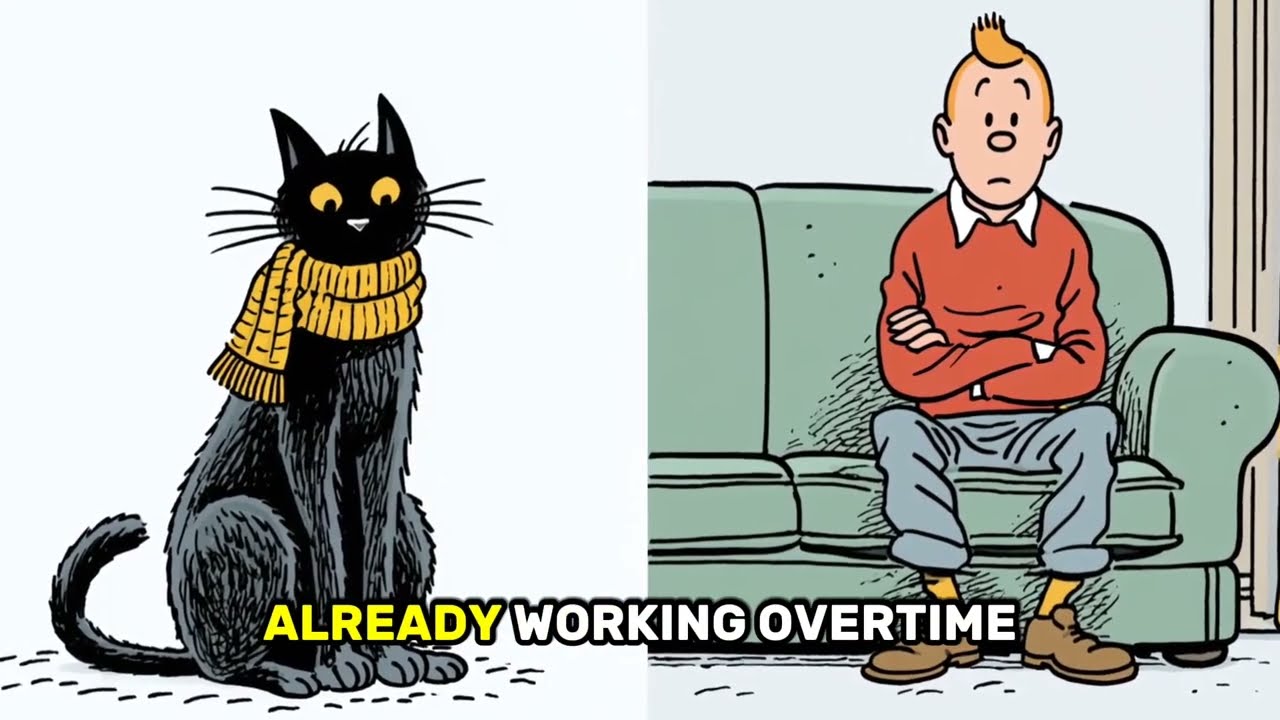 So they go looking for the most efficient heat source in the room, and that’s your body. When your cat sleeps beside you, your body heat radiates upward and escapes into the open air. But when they climb on top of you and press their belly flat against your skin, something different happens.
That’s direct conduction. Heat transfers straight from your surface into theirs with almost nothing lost in between. Their body acts like a lid, trapping your warmth right where they need it.
The reason they always target your chest or stomach is not because they understand your anatomy. It’s because cats have incredibly sensitive thermal receptors in their skin and face. They simply move around your body until they find the spot that radiates the most heat, which happens to be right over your core, where your organs are producing the most metabolic warmth.
Four, they’re hiding behind you on purpose. What if the most dangerous thing your cat does every night isn’t sneaking onto the counter? It’s falling asleep.
And where they choose to do it says everything. When your cat sleeps on top of you, they are completely 𝓮𝔁𝓹𝓸𝓼𝓮𝓭. No walls around them, no ceiling over them, no enclosed space protecting them from anything.
Sleep is the most vulnerable state a cat will ever be in. They can’t run, they can’t fight, they can’t react.
And yet, instead of choosing the closet, under the bed, the cat tree, or any of the dozens of hidden spots built for exactly this kind of protection, they chose you. They’re not just passively resting, either. Cats in bonded groups use something called sentinel guarding, where they take turns watching over each other during sleep.
When your cat lies on your body, they can feel every shift in your breathing, every muscle twitch, every change in your heart rate. If something startles you, your body reacts before you’re even conscious of it, and your cat feels that instantly. You become a living alarm system that wakes them the moment something is wrong.
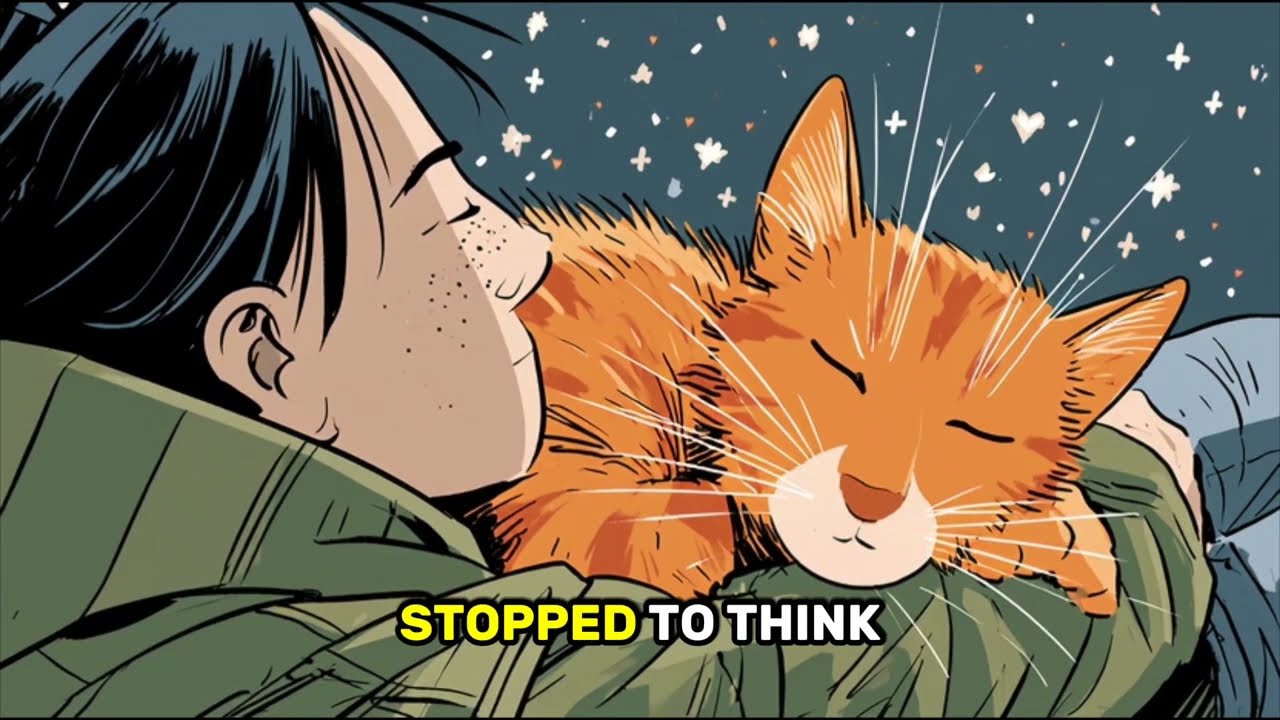 Think about what that actually means. Your cat looked at every option in the house, every hiding spot designed to keep them safe, and they decided the safest place to be completely unconscious and completely vulnerable was right on top of you. Not behind a wall, not inside a box, but on you.
Five, they’re overriding their own body clock. Have you ever stopped to think about when your cat falls asleep on you? Not just where, but when.
Cats are crepuscular. That means their biology is built to be wide awake and hunting at dawn and dusk. By every rule of nature, they should be pacing your hallways or stalking shadows while you sleep.
But instead, every night at roughly the same time, they climb on top of you, settle in, and shut down. That’s not a coincidence. That’s a biological override.
Research on feline circadian rhythms has found that cats living in close bonded relationships with their owners actually shift their entire activity pattern to match the human schedule. Cats with less human contact stay nocturnal, but cats deeply bonded to their person become more active during the day and rest when their human rests. They are not just accidentally getting sleepy when you do.
They are adapting their internal clock to sync with yours.
And here’s what I told you in number one lands. Remember when I said there was something deeper going on? When your cat physically settles on your body to sleep, this is it.
By planting their body on yours, they anchor themselves into your sleep routine. Your heavy, motionless breathing, your still body, your slow heart rate. All of it becomes a signal that pulls them into deep rest, even when every instinct in their body is telling them to be awake.
So the next time that warm, purring weight settles on your chest in the middle of the night, remember: this isn’t just a snuggle. It’s resource guarding, a full-body scent transfer, a heat-seeking mission, a vulnerable act of trust, and a circadian sacrifice all rolled into one small, furry body. And if you react the wrong way, by shifting too quickly, pushing them off, or interrupting that deep sleep, you might quietly reject the very thing your cat is trying to give you: themselves, completely and utterly, in the most 𝓮𝔁𝓹𝓸𝓼𝓮𝓭 way they know how.